Car Buying Strategies for First Time Owners
Buying your first car can feel exciting right up until the numbers, choices, and dealership pressure start piling up. That is where many new buyers lose their footing, not because they are careless, but because the process rewards people who know what to question. Smart Car Buying Strategies help you slow the whole thing down and judge the deal before emotion takes over. In the USA, that matters even more because prices, insurance costs, loan terms, taxes, and registration fees can change the real cost fast. A first car purchase should give you freedom, not a payment that squeezes every month afterward. You need a plan that protects your wallet and still leaves room for the kind of vehicle that fits your life. Resources like digital growth and consumer research platforms can help readers build sharper decision habits before making high-value choices. The best move is simple: treat the car like a long-term financial decision first and a personal reward second.
Set Your Budget Before the Car Starts Talking
A car becomes dangerous to your finances when you start shopping by monthly payment alone. Dealers know that number feels easier than the full price, but a low monthly payment can hide a longer loan, higher interest, or extras you never needed. Your first job is to decide what the car can cost without stealing money from rent, groceries, savings, repairs, and insurance.
How much should a first car purchase actually cost?
A first car purchase should begin with the full ownership cost, not the sticker price. The sticker tells you what the seller wants. The ownership cost tells you what your life will feel like after the keys are in your hand. That includes insurance, fuel, maintenance, parking, registration, taxes, and repairs that appear at the worst possible time.
A good rule is to leave breathing room. If the payment only works when every month goes perfectly, it does not work. Tires wear out. Windshields crack. Insurance jumps after a move or policy change. The buyer who plans for those moments sleeps better than the buyer who spends every available dollar on the car itself.
Cash buyers still need discipline. Paying in full removes interest, but it should not drain emergency savings. A cheap car with no repair cushion can become more stressful than a financed car with room left in the budget.
Why the monthly payment can mislead new buyers
Dealerships often frame the conversation around what you want to pay each month. That sounds helpful, but it can quietly shift attention away from the total loan amount. A $390 payment may feel manageable, yet the loan could stretch for six or seven years. By the time you finish paying, the car may be worth far less than what you still owe.
Auto financing options deserve careful comparison before you step into a dealership. Banks, credit unions, and online lenders may offer different rates, and getting preapproved gives you a stronger position. You do not need to accept the first financing offer simply because it is placed in front of you with a pen.
The sharper move is to ask three questions every time: What is the total purchase price? What is the interest rate? How much will I pay over the full loan term? Those answers cut through the fog fast.
Choose the Right Vehicle for Your Real Life
A first car should match your daily routine, not your best-day fantasy. That sounds boring until you watch someone buy a lifted truck for city commuting or a tiny coupe when they regularly carry family, work gear, or pets. The wrong car becomes annoying slowly, then expensive suddenly.
What new driver car tips matter before picking a model?
New driver car tips often start with safety, but comfort and visibility matter too. A car with good sightlines, simple controls, predictable braking, and affordable parts can make every drive less stressful. For many first-time owners, confidence behind the wheel matters more than horsepower or a flashy badge.
Insurance should also shape the shortlist. Two cars with similar prices can carry different premiums because of repair costs, theft rates, engine size, and safety ratings. Calling your insurer before buying can save you from a nasty surprise after the deal is done.
Think about where you actually drive. A commuter in Phoenix needs strong air conditioning and heat tolerance. A buyer in Michigan needs winter traction and reliable cold starts. A student in Boston may care more about parking size than cargo space. Your location should shape the car more than your mood.
Why reliability beats style for first-time owners
A reliable car protects your schedule. That matters when you need to get to work, class, interviews, appointments, or family obligations. Style feels good in the driveway, but reliability shows up on cold mornings when the engine starts without drama.
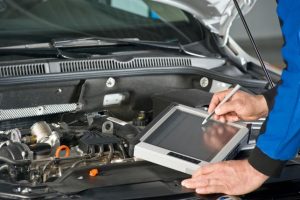
Used car inspection becomes especially important if your budget points toward older models. A clean-looking car can still hide worn brakes, leaking fluids, weak suspension parts, accident repairs, or neglected maintenance. Paying a mechanic before purchase can feel annoying, but it is cheaper than discovering a major problem after the seller has your money.
Do not fall in love before the inspection. That is the quiet rule experienced buyers follow. Once emotion takes over, every warning sign starts looking smaller than it is.
Use Car Buying Strategies That Give You Control
The buying process gets easier when you stop acting like you need the car today. Urgency weakens your position. Sellers can feel it. A calm buyer asks better questions, compares better deals, and walks away when the math gets ugly.
How do auto financing options change the final deal?
Auto financing options shape the deal as much as the vehicle price does. A slightly cheaper car with a poor loan can cost more than a higher-priced car with better financing. That is why preapproval matters. It turns financing from a mystery into a benchmark.
Credit unions often deserve a close look because many offer member-friendly rates. Banks may compete if your credit is strong. Dealer financing can be useful too, but it should compete against outside offers instead of replacing them without question.
Read every loan line before signing. Watch for prepayment penalties, long terms, high fees, and add-ons folded into the balance. A warranty, service plan, or protection package may sound small when rolled into payments, but interest makes extras more expensive over time.
What should you know before negotiating with a dealership?
Negotiation works best when you separate the pieces. Discuss the vehicle price first. Then talk trade-in value if you have one. Then financing. Then extras. When everything gets mixed together, it becomes harder to tell whether you are winning or losing.
Bring your own research. Know the fair market range for the model, trim, mileage, and condition. Check more than one listing source, and pay attention to local inventory. A car priced fairly in one state may be overpriced in another because demand shifts by region.
Silence helps. Many first-time buyers talk too much when they feel nervous. Ask your question, then let the seller answer. The person who fills every pause often gives away their budget, urgency, or uncertainty.
Inspect the Car Like the Owner You Are Becoming
The moment you start inspecting the vehicle, your mindset should change. You are no longer browsing. You are testing whether this machine deserves your money. A seller’s confidence does not replace evidence.
Why used car inspection should never be skipped
Used car inspection should happen before money changes hands, even if the seller seems honest. Honest sellers can miss problems. Private sellers may not know the full history. Dealers may rely on surface-level checks that do not reveal deeper wear.
A mechanic can spot issues that a new buyer may miss: uneven tire wear, frame concerns, fluid leaks, battery weakness, brake life, engine codes, and signs of poor repair work. These findings give you power. You can negotiate, ask for repairs, or walk away.
Vehicle history reports help, but they are not perfect. Some accidents never get reported. Some maintenance never gets recorded. The report is one tool, not the final truth.
How should the test drive reveal hidden problems?
A test drive should feel like a quiet investigation. Drive on streets and highways if possible. Listen for rattles, grinding, pulling, hesitation, rough shifting, brake vibration, or steering looseness. Turn off the music. You are not there for vibes.
Check the basics after the drive. Look under the car for leaks. Smell for burning oil or coolant. Test windows, locks, lights, wipers, climate control, backup camera, charging ports, and seat adjustments. Small broken features can become bargaining points, but several small failures may signal careless ownership.
Do not let a seller rush the process. A good car can survive careful checking. A bad one needs you distracted.
Close the Deal Without Letting Pressure Win
The final stage is where smart buyers sometimes get tired and sloppy. That is exactly when extra fees, rushed paperwork, and emotional pressure can sneak in. Slow down. The deal is not finished until every number matches what you agreed to.
What fees should first-time buyers question?
Some fees are normal, such as title, registration, taxes, and documentation charges. Others deserve a closer look. Dealer add-ons, appearance packages, nitrogen tires, VIN etching, paint protection, and service bundles may not be worth the cost.
Ask for an out-the-door price in writing. That number should include the vehicle, taxes, fees, and extras. It gives you a clean way to compare offers from different sellers. Without it, one car may look cheaper until the final paperwork tells another story.
A first car purchase should never depend on trust alone. Trust is fine. Paper is better.
Why walking away is still your strongest tool
Walking away feels awkward the first time. Do it anyway when the numbers change, the seller dodges questions, or the car does not pass inspection. There will always be another vehicle. There may not be another chance to avoid a bad loan.
Good sellers respect informed buyers. Pushy sellers often target uncertainty. When you know your budget, financing, vehicle needs, inspection results, and out-the-door price, pressure loses most of its power.
The best Car Buying Strategies do not make you aggressive. They make you steady. You stop chasing the deal and start choosing it.
Conclusion
Your first car will teach you more than how to get from one place to another. It will teach you how to judge risk, read fine print, compare value, and protect your future self from today’s excitement. That is why the smartest buyer is not always the one who finds the lowest price. It is the one who understands the full cost before signing.
A strong decision starts before the test drive and continues through financing, inspection, insurance, and paperwork. Car Buying Strategies give first-time owners a way to stay calm when the process gets noisy. You do not need to know everything about cars to buy well. You need patience, questions, outside checks, and the courage to walk away when the deal stops making sense.
Choose the car that fits your life, not the one that flatters your mood, and your first ownership story will start with confidence instead of regret.
Frequently Asked Questions
What is the best first car buying advice for new drivers?
Start with budget, insurance, and reliability before choosing a model. A first car should be affordable to own, easy to maintain, safe to drive, and practical for your daily routine. The right choice keeps pressure low after the excitement fades.
How much money should I save before buying my first car?
Save enough for the down payment, taxes, registration, insurance, and at least a small repair fund. Many first-time buyers focus only on the car price, then struggle when ownership costs arrive. A cushion makes the purchase safer.
Should first-time owners buy a new or used car?
Used cars often make more sense because they cost less upfront and avoid the sharpest early depreciation. New cars offer warranties and fewer unknowns, but payments can be higher. The better choice depends on budget, credit, driving needs, and repair tolerance.
What should I check before buying a used car?
Check the vehicle history, title status, mileage, tires, brakes, lights, fluids, electronics, air conditioning, and body condition. A professional inspection matters most because cosmetic condition can hide mechanical problems that new buyers may not notice.
How can I avoid overpaying at a dealership?
Research local prices, get preapproved financing, ask for the out-the-door price, and separate the vehicle price from trade-ins and add-ons. Do not negotiate based only on monthly payment because that can hide a higher total cost.
Are dealership add-ons worth it for first-time buyers?
Some add-ons may help, but many are overpriced or unnecessary. Paint protection, fabric protection, VIN etching, and service bundles should be questioned carefully. Compare outside prices before accepting anything added to the loan.
Why is insurance important before choosing a first car?
Insurance can change the real monthly cost of ownership. Sporty models, high-theft vehicles, luxury brands, and expensive-to-repair cars may carry higher premiums. Getting quotes before purchase helps prevent a payment shock after signing.
What is the safest way to handle a private seller purchase?
Meet in a public place, verify the title, compare the seller’s ID to the paperwork, get a mechanic inspection, and avoid unusual payment requests. Never skip documentation. A clean transaction protects you from title problems and hidden ownership issues.
Source prompt: