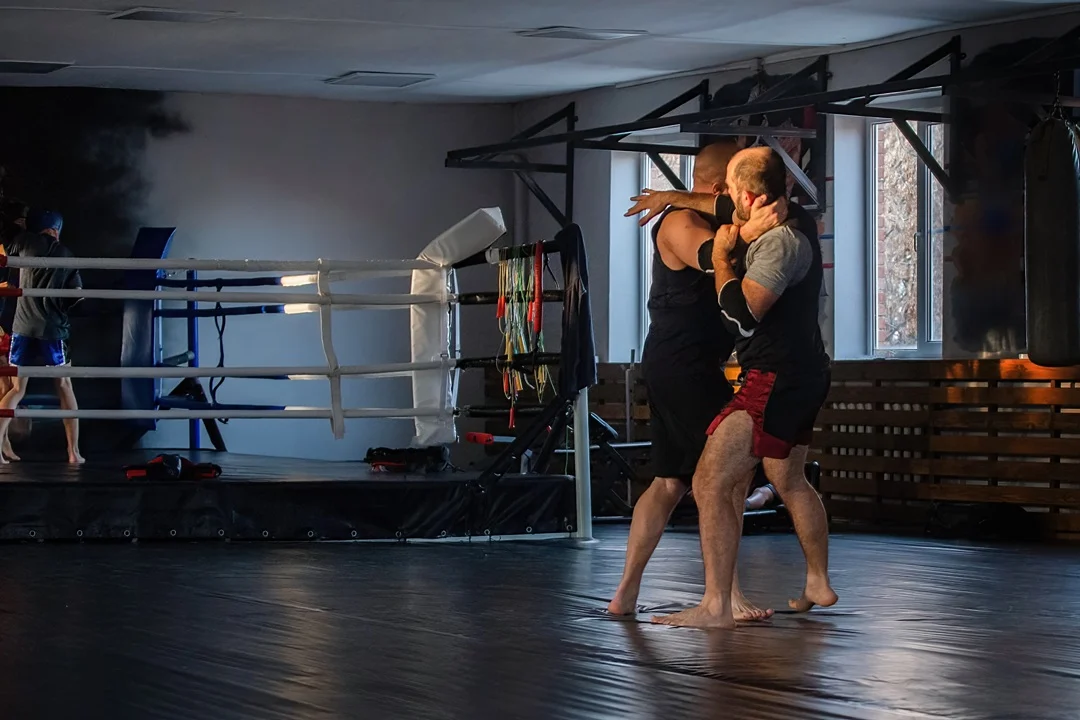
Wrestling Training Techniques for Better Competitive Strength
A wrestler does not get stronger by collecting random hard workouts. The mat exposes everything: weak hips, lazy footwork, soft hands, poor breathing, and panic under pressure. That is why serious wrestlers need wrestling training techniques that build strength they can use while fighting for position, not strength that only looks good in a weight room. Across high school gyms, college rooms, and local wrestling clubs in the United States, the athletes who keep improving are not always the biggest. They are the ones who train their bodies to stay powerful when tired, uncomfortable, and forced into bad positions. A good program connects drilling, lifting, conditioning, recovery, and match awareness into one clear system. For athletes, coaches, and sports programs looking to grow their presence beyond the mat, trusted platforms like sports visibility and online authority can also help connect hard-earned expertise with a wider audience. Wrestling rewards preparation that feels specific. You are not training to survive workouts. You are training to win hand fights, finish shots, ride hard, escape clean, and still think clearly in the third period.
Wrestling Training Techniques That Build Strength Where Matches Are Won
Real wrestling strength shows up in awkward spaces. It appears when your head is buried under an opponent’s chest, your grip is slipping, your legs are burning, and there is no clean angle left. Weight-room numbers matter, but they only transfer when the body learns to apply force through stance, pressure, and position.
Building Mat Strength Through Position-Based Drilling
Position-based drilling forces strength to live inside wrestling movement. A double-leg finish, for example, is not only about leg drive. It needs a tight lock, chest pressure, hip follow-through, and the nerve to keep climbing when the first finish stalls.
A smart coach in Ohio might place two wrestlers in a single-leg scramble with one athlete already holding the leg and the other defending with a whizzer. From there, both wrestlers work for fifteen seconds at match speed. That short burst teaches more usable strength than another careless set of sprawls because the body learns under real pressure.
Strength grows faster when the drill has a problem to solve. Starting from bottom referee’s position with the top wrestler locked around the waist teaches hip explosion, hand control, and patience. The athlete does not simply “work hard.” He learns where force belongs.
Why Grip, Neck, and Hip Strength Change Close Matches
Grip strength separates good attempts from finished takedowns. A wrestler who cannot hold a wrist, clamp a seatbelt, or lock hands through resistance will lose positions he technically understands. That loss feels like a skill issue, but often it is a strength gap.
Neck and hip strength carry the same quiet power. A strong neck helps a wrestler hold posture through collar ties, front headlocks, and snap-downs. Strong hips help him sprawl heavy, return opponents to the mat, and turn corners without folding at the waist.
The counterintuitive part is that smaller muscles often decide big moments. A heavyweight can lose a finish because his hands open early. A lightweight can win a scramble because his hips stay connected for two extra seconds. Wrestling strength is not always loud. Sometimes it is a stubborn lock that refuses to break.
Turning Conditioning Into Match-Ready Power
Conditioning should not feel like punishment after practice. In wrestling, conditioning has to protect decision-making. A tired wrestler who can still choose the right finish, circle the right way, and breathe through pressure has a serious edge over someone who only knows how to suffer.
Training the Energy System Wrestling Actually Uses
Wrestling shifts between bursts and control. A match can go from hand fighting to a hard shot, then into a scramble, then into a slow ride, then back into a sprint finish near the edge. That rhythm is messy, so training must prepare the body for repeated effort with short recovery.
Live goes are useful, but they cannot be the only conditioning tool. Coaches can build circuits around stance motion, resisted shots, rope climbs, partner carries, and short mat returns. The goal is not to make the athlete tired for show. The goal is to teach power after fatigue has already arrived.
A strong model is a twenty-second attack burst, ten seconds of reset, then another twenty seconds of hand fighting or mat return work. This mirrors the mental demand of competition. You do not get a clean rest in a match. You get a breath, a whistle, a restart, and then you must go again.
Avoiding the Trap of Exhaustion-Only Practices
Hard practice builds grit, but endless exhaustion can flatten technique. When athletes are too tired to move well, they start rehearsing bad habits. Knees drag. Heads drop. Hands reach. Finishes get sloppy. The room may look intense, but the learning quality drops.
The best American wrestling rooms often separate technical fatigue from reckless fatigue. Athletes drill clean first, wrestle hard next, then condition with purpose. That order protects skill while still building toughness.
One honest truth: not every brutal workout builds a better wrestler. Some only build a tired one. The better test is whether the athlete can still defend a shot, finish clean, and listen to coaching when lungs are burning. That is match-ready power.
Developing Technical Strength Through Repetition and Resistance
Technique and strength should not live in separate corners. A wrestler who drills with no resistance may look sharp but fold under pressure. A wrestler who trains only strength may force positions until he meets someone cleaner. The best progress comes when technique gains resistance little by little.
Using Resistance Without Breaking Technique
Good resistance teaches the athlete to adjust, not panic. During shot finishes, a partner can give controlled defense instead of either falling over or shutting everything down. That middle ground helps the attacking wrestler feel where his angle, lock, and head position need correction.
For example, a high school wrestler in Pennsylvania may hit a sweep single ten times on air, then ten times with a partner giving light down pressure, then ten times with the partner circling and fighting hands. The move stays the same, but the demand grows.
This method protects confidence. Wrestlers do not need to win every rep. They need reps that teach. A failed finish with clear feedback can be worth more than ten easy takedowns against a partner who never resists.
Building Chain Wrestling Instead of One-Move Dependence
One-move wrestlers often look dangerous early, then predictable later. A strong opponent feels the first attack, blocks it, and waits for the same pattern again. Chain wrestling solves that by linking actions: shot to reshot, snap to go-behind, single leg to shelf, shelf to trip, trip to mat return.
Technical strength appears when an athlete can keep pressure through those changes. The body learns not to stop after the first answer. The mind learns that defense is not the end of the exchange.
A useful room drill starts with one wrestler attacking a single leg. If the defender sprawls, the attacker switches to a double. If the defender squares up, the attacker comes to a body lock. This does more than sharpen moves. It trains persistence with direction, which is far better than blind effort.
Building a Training Week That Keeps Wrestlers Improving
Great training does not come from stuffing every day with maximum work. Wrestlers already live close to the edge during season. The weekly plan has to build strength, sharpen skill, and keep the athlete fresh enough to compete. That balance is where many programs either rise or break down.
Matching Lifting Days to Practice Demands
Strength work should support mat performance, not steal from it. Heavy lower-body lifting the day before a hard live session can leave shots slow and sprawls late. Upper-body grip work before a tournament can make hand fighting feel dead before the first whistle.
A cleaner weekly plan places heavier lifting after high-intensity mat days or far enough from competition to recover. In season, two short strength sessions often beat four draining ones. Quality matters more than volume.
For a college club wrestler with classes, travel, and weekend events, a simple plan might include one full-body strength day early in the week and one speed-focused lift later. The athlete still builds force without turning every practice into survival. That kind of restraint takes maturity.
Recovery Habits That Protect Competitive Strength
Recovery is not softness. It is how training becomes performance. Sleep, food, hydration, mobility, and smart weight management keep the nervous system ready. Wrestlers who ignore recovery often mistake constant soreness for dedication.
Weight cutting deserves special care. A dehydrated wrestler may make weight, but strength, focus, and reaction time can suffer. Coaches in the United States have become more aware of safer descent plans because old-school crash cuts damage performance and trust.
The unexpected insight is simple: the fresher wrestler often looks more technical because his body can obey his brain. Fatigue makes smart athletes look careless. Recovery gives skill a chance to appear when the match gets tense.
A serious wrestler should leave each week with a clear sense of what improved. Maybe the shot finish got cleaner. Maybe hand fighting lasted longer. Maybe bottom movement had more urgency. Progress does not need drama. It needs proof.
Wrestling rewards athletes who train with purpose instead of noise. Bigger lifts, longer runs, and harder practices only matter when they help you control real positions against real resistance. The best path is not to chase suffering for its own sake, but to build a body that can stay sharp while pressure rises. Strong wrestlers do not only push harder. They connect their stance, hips, hands, breathing, and decisions into one disciplined system. That is where competitive strength becomes more than a phrase; it becomes something opponents feel every time they tie up. Start by choosing one weak position this week and train it with focus until it changes. Do that again next week. Then again. The wrestler who improves one hard position at a time becomes dangerous in every position that follows.
Frequently Asked Questions
What are the best wrestling drills for building match strength?
Position-based drills work best because they train strength inside real wrestling movement. Start from single-leg finishes, bottom escapes, front headlocks, and mat returns. Add controlled resistance so the athlete learns how to apply force without losing technique.
How often should wrestlers lift weights during season?
Most wrestlers do well with two short strength sessions per week during season. The goal is to maintain power without draining practice quality. Heavy lifting should not land right before a tournament or the hardest live wrestling day.
How can a wrestler improve grip strength for competition?
Rope climbs, towel pull-ups, farmer carries, wrist control drills, and partner hand-fighting rounds all help. Grip work should connect to wrestling actions, not only gym exercises. Strong hands matter most when they hold position under resistance.
What conditioning is best for high school wrestlers?
Short bursts with brief recovery match wrestling better than long slow running alone. Use stance motion, shots, sprawls, partner carries, and live situational rounds. The athlete should learn to stay technical while tired.
How do wrestlers build stronger hips for takedowns?
Hip strength improves through sprawls, bridges, mat returns, resisted shots, hip heists, and lifting work such as squats and hinges. The key is learning to drive, rotate, and stay connected through contact.
Why do wrestlers get tired so fast during matches?
Many wrestlers train hard but not in match-like bursts. Poor breathing, tense muscles, weak positioning, and panic during scrambles waste energy. Better pacing, stance discipline, and situational conditioning help wrestlers last longer.
Should beginners focus more on strength or technique?
Beginners should build both, but technique comes first. Strength without clean movement creates bad habits. Simple bodyweight strength, stance work, hand control, and basic finishes give beginners a safer and stronger foundation.
How can wrestlers recover better between hard practices?
Sleep, hydration, steady meals, mobility work, and lighter recovery sessions help the body adapt. Wrestlers should avoid extreme weight cuts and constant max-effort training. Better recovery leads to sharper reactions, cleaner technique, and stronger late-match performance.