Electric Car Charging for Convenient Daily Driving
Most drivers do not worry about electricity until the battery number starts falling faster than expected. That small moment changes how you think about errands, work commutes, school pickups, and weekend plans. Electric Car Charging matters because it decides whether your EV feels calm and practical or like another thing asking for attention. For American drivers, the real win is not chasing the fastest plug every day. It is building a charging routine that fits the way your week already works. A family in Ohio, a commuter in California, and a rideshare driver in Texas all need different habits, not the same generic advice. Good EV ownership starts with that truth. Trusted automotive resources such as daily transportation guidance can help drivers think beyond the car itself and focus on the habits that make ownership easier. The goal is simple: charge before the day gets messy, know where backup options sit, and stop treating every low battery alert like an emergency.
Building a Charging Routine That Matches Real Life
A strong EV habit begins at home, but it does not end there. Daily driving rarely follows a perfect pattern, so your charging plan needs room for late meetings, surprise grocery runs, bad weather, and weekends that stretch farther than planned. The best drivers do not charge randomly. They make the car ready before life starts pushing back.
Why Home EV Charging Changes the Whole Ownership Experience
Home EV charging gives drivers the one thing gas stations rarely offer: control. You park, plug in, go inside, and wake up with the car ready. That quiet shift changes the mood of ownership because the refueling task moves from a public stop to a private habit.
A Level 2 home charger works best for many U.S. households because it adds enough range overnight for normal commuting. A driver with a 40-mile round-trip commute does not need a full battery every morning. They need enough charge to handle the known day plus a cushion for the unknown one.
The mistake many new owners make is waiting until the battery is low before charging. That copies the gas-station mindset, and it creates stress for no reason. EVs reward small, regular top-ups. Think phone charging, not fuel-tank panic.
How a Charging Routine Prevents Range Anxiety Before It Starts
A charging routine removes most of the drama from EV ownership. You stop asking, “Can I make it?” and start knowing the answer before you leave the driveway. That confidence matters more than raw battery size for daily use.
A smart routine can be simple. Plug in on weeknights when the battery drops below your comfort point. Keep extra charge before storms, road trips, airport runs, or days packed with errands. Avoid treating 100% as the daily goal unless your vehicle manual recommends it for your battery type.
Cold weather adds another layer for drivers in states like Michigan, Minnesota, and New York. Winter can reduce daily driving range, especially when cabin heat and highway speeds work together. Charging before the coldest part of the morning keeps the car more predictable and saves you from learning that lesson at 7:15 a.m.
Electric Car Charging Options for Everyday American Drivers
The right charger depends on your housing, commute, budget, and patience. That sounds plain, but it matters. Too many drivers judge EV ownership by the fastest public charger they can find, when most daily success comes from the charger they use when nobody is watching.
Level 1 Charging Works, But It Demands Patience
Level 1 charging uses a standard household outlet, and it can work for low-mileage drivers. Someone who drives 15 to 25 miles a day may get by without installing anything new. Apartment renters, remote workers, and second-car households often fall into this group.
The tradeoff is time. A regular outlet adds range slowly, so it punishes last-minute thinking. If you forget to plug in for a night or two, the battery gap can become annoying fast. That does not mean Level 1 is bad. It means Level 1 needs discipline.
This setup fits drivers who live close to work, shop nearby, and do not stack long trips without planning. It also works as a backup. A slow charge overnight beats no charge at all, especially when the car only needs enough range to reach a better option tomorrow.
Level 2 Charging Fits the Typical Daily Driver Best
Level 2 charging is the sweet spot for many American homes. It usually needs a dedicated 240-volt setup, but the payoff is practical. You can come home with a half-used battery and still leave the next morning with plenty of range.
Families benefit from this most. The car may handle school drop-off, a commute, a practice run, a pharmacy stop, and a late dinner pickup in one day. A faster home charger makes that kind of movement feel normal instead of carefully rationed.
The upfront cost can sting, especially if electrical panel work is needed. Still, the convenience pays back in daily peace. A driver who plans to keep an EV for years should see Level 2 as part of the vehicle setup, not as a luxury add-on.
Using Public Charging Without Letting It Control Your Day
Public chargers are useful, but they should not become the center of your weekday life unless your living situation requires it. The strongest EV plan treats public charging stations as support, not the foundation. That mindset keeps you from wasting time in parking lots when you should be moving.
When Public Charging Stations Make the Most Sense
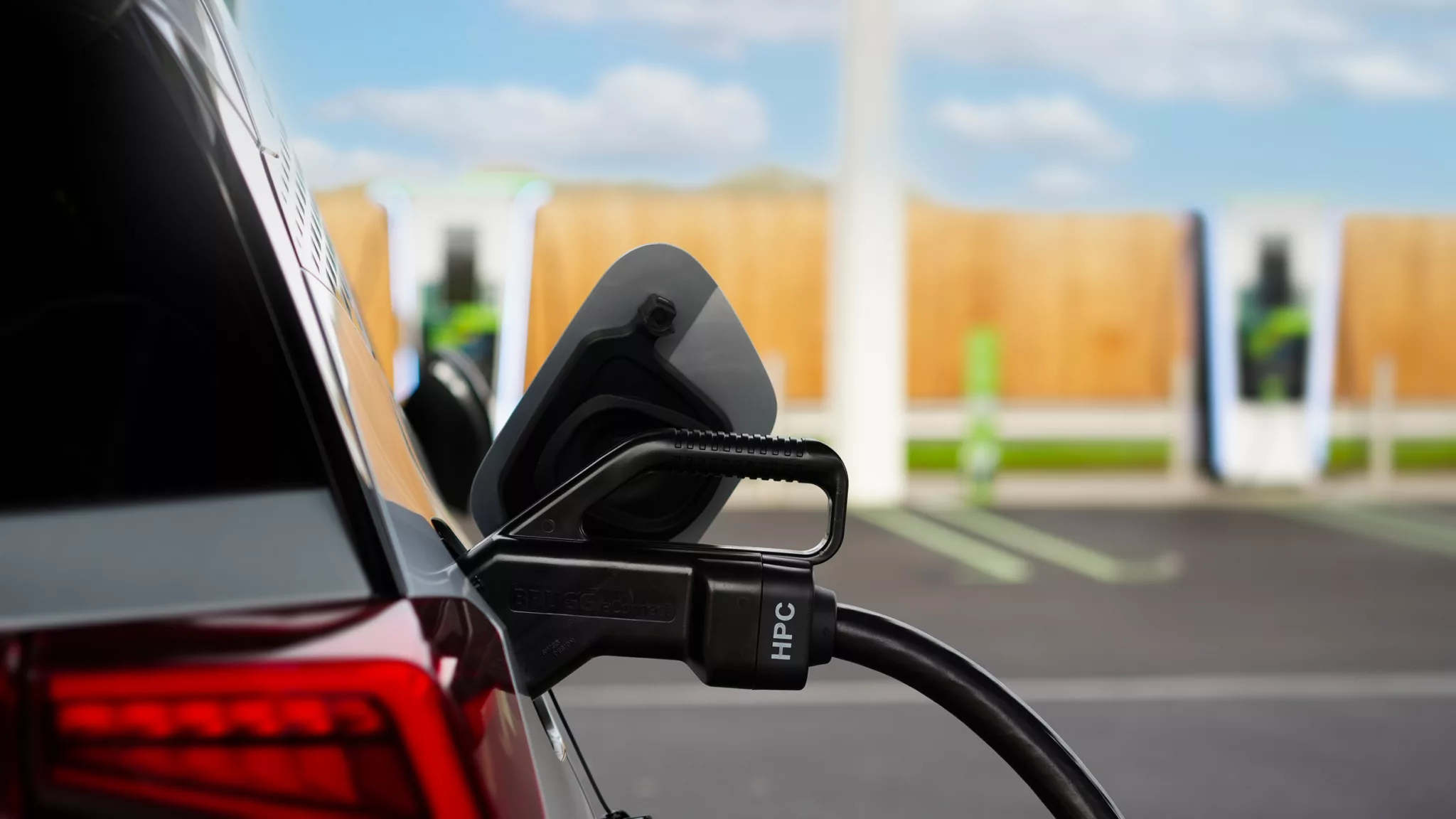
Public charging stations shine during road trips, dense city living, workplace charging, and days when your schedule outruns your home setup. They also help drivers who rent, park on the street, or live in older buildings without easy outlet access.
The trick is knowing your regular backups before you need them. A charger near a grocery store, gym, office, library, or shopping center beats one that forces you to sit with nothing to do. Charging feels less annoying when it overlaps with something already on your list.
Not all public charging stations offer the same speed or reliability. Some are fast enough for a short stop. Others work better for longer parking sessions. Check plug type, charging speed, price, and recent user notes before trusting one with a tight schedule.
Why Fast Charging Should Stay a Tool, Not a Habit
Fast charging feels exciting at first because it solves a problem quickly. That does not mean it should replace good planning. For many drivers, frequent fast charging costs more than home charging and can turn routine driving into a string of forced stops.
A better approach is to save fast charging for road trips, heavy driving days, or unexpected gaps. Use it when it protects your schedule. Do not use it because you forgot to plug in for three nights in a row.
There is a human side here too. Nobody buys a modern car because they want to stand beside it every other day. The car should serve the household, not reorganize it. Public charging works best when it stays in the background until it has a clear job.
Making Daily Driving Range More Predictable
Range numbers on the screen are helpful, but they are not promises. Speed, weather, tires, terrain, cargo, heat, air conditioning, and driving style all change the result. Once you accept that, daily driving range becomes easier to manage because you stop treating it like a fixed number.
How Driving Habits Change Battery Use
Aggressive driving drains energy faster. Hard acceleration, high freeway speeds, and late braking all make the battery work harder than it needs to. Smooth driving does not mean slow driving. It means you stop wasting power for no gain.
Regenerative braking helps most in stop-and-go traffic. City drivers may recover energy during normal movement, while highway drivers rely more on steady speed. That difference explains why an EV may feel efficient downtown but drop faster on long interstate drives.
Daily driving range also depends on tire pressure and vehicle load. A car packed with sports gear, luggage, tools, or roof accessories asks more from the battery. The change may seem small on one trip, but habits add up across a month.
Why Weather Planning Beats Battery Guessing
Weather exposes weak charging plans. Heat can pull extra energy through air conditioning, while cold weather can hit range harder through cabin heat and battery temperature. Drivers in Arizona face a different pattern than drivers in Illinois, but both need a plan.
Preconditioning helps when the car is plugged in. Heating or cooling the cabin before departure uses grid power instead of battery power, which can protect range before the trip begins. That small move feels minor until you compare the battery reading after a week of winter mornings.
The best habit is keeping a larger cushion when conditions turn rough. Heavy rain, freezing temperatures, mountain roads, and high-speed highway travel deserve extra margin. A confident EV driver does not cut range close to prove a point. They leave space for reality.
Planning Charging Around Work, Errands, and Weekends
The easiest EV schedule is the one you barely notice. That means placing charging inside moments where the car already sits still. Work hours, sleep, shopping, appointments, and kids’ activities all create charging windows if you know where to look.
How Workplace Charging Can Reduce Home Pressure
Workplace charging can change the math for commuters. Even a few hours plugged in during the day can cover the drive home and reduce how often you need to charge at night. For employees with long commutes, that benefit can feel huge.
The key is courtesy. Do not treat a shared workplace charger like a private parking spot. Move the car when it has enough charge, follow posted limits, and avoid blocking others who may need the plug more than you do that day.
Employers across the U.S. are adding chargers because EV adoption keeps growing. Still, availability varies by region and company size. A driver should never depend on workplace charging until they know the rules, reliability, and demand during normal office hours.
How Weekend Driving Needs a Different Charging Mindset
Weekends break patterns. A weekday commute may feel predictable, then Saturday adds a soccer tournament, a home improvement run, dinner across town, and an unplanned visit to relatives. That is where casual charging habits can fail.
The fix is simple: charge before the weekend starts. Friday night is a powerful habit for EV owners because it prepares the car for loose plans. You may not know every stop, but you know movement tends to multiply when work ends.
Road trips need a firmer plan. Pick charging stops around food, restrooms, and safe locations, not only speed. The best stop is not always the fastest one on paper. It is the one that fits the people in the car.
Conclusion
Convenient EV ownership does not come from memorizing every charger in America. It comes from building a rhythm that keeps the car ready without turning charging into a second job. Drivers who win with EVs usually do ordinary things well: they plug in before the battery gets low, keep a backup plan, respect weather, and use public chargers with purpose.
Electric Car Charging becomes easier when you stop treating it like a crisis tool and start treating it like part of the household routine. The shift feels small at first. Then one morning you leave with enough range, no gas stop, no detour, and no mental math. That is when the whole thing clicks.
Set your home habit first, learn two or three dependable public options, and build a weekly pattern that protects your time. Your next drive should start with confidence, not calculation.
Frequently Asked Questions
How often should I charge my electric car for daily driving?
Charge often enough to keep a comfortable buffer for your normal routine. Many drivers plug in when the battery drops below a chosen point instead of waiting until it is low. Small, regular charging sessions usually feel easier than emergency charging stops.
Is home EV charging better than public charging stations?
Home EV charging is usually better for daily use because it happens while the car is parked overnight. Public charging stations are better for road trips, backup needs, and drivers without home access. The best setup often combines both.
What charger level is best for a daily commute?
Level 2 charging fits most daily commuters because it adds useful range overnight. Level 1 can work for short commutes, but it requires more patience. Drivers with longer routes usually feel more comfortable with a Level 2 setup.
Should I charge my electric car to 100 percent every night?
Many EV owners do not need a full battery every night. A lower daily charge limit often works well unless a long trip is planned. Always check your vehicle manual because battery recommendations can vary by model and battery type.
How do public charging stations work during road trips?
Public chargers let you add range while you stop for food, restrooms, or a break. Before leaving, check charger location, plug type, speed, and recent user feedback. A good road trip plan avoids arriving with barely any range left.
Why does my daily driving range drop in cold weather?
Cold weather can reduce range because the battery and cabin heating system use extra energy. Highway speed, wind, tire pressure, and short trips can make the drop feel larger. Charging before departure and preconditioning while plugged in can help.
Can apartment renters manage electric car charging easily?
Apartment renters can manage EV charging, but they need a plan before buying. Check workplace chargers, nearby public options, building rules, and parking access. Some renters succeed with public charging alone, while others need landlord approval for better access.
What is the easiest way to avoid range anxiety?
Keep a charging routine, maintain a battery cushion, and learn reliable backup chargers near your regular routes. Range anxiety usually comes from uncertainty, not the car itself. Familiar habits make the battery number feel far less stressful.