Rental Property Marketing for Faster Tenant Placement
A vacant rental does not sit quietly; it eats into your profit one empty day at a time. Smart rental property marketing helps landlords reach the right renters sooner, but the real win is not shouting louder than every other listing online. It is making the home feel clear, trustworthy, and easy to choose before a renter ever books a showing.
Most American renters move under pressure. A lease is ending. A job starts soon. A family needs a better school district before fall. That means your listing has to remove doubt fast. Clean photos, honest pricing, sharp descriptions, and strong local signals do more than decorate an ad. They help renters decide whether your property belongs on their short list.
Owners who treat marketing like an afterthought often blame the market when the problem is presentation. A good rental can look average when the listing feels lazy. A decent rental can win attention when the message is clean and useful. Even small touches, like mentioning nearby grocery stores, parking details, or neighborhood commute routes, can make your listing feel more helpful than the competition. For more visibility ideas, many landlords also study local property promotion strategies that support long-term exposure.
Building a Listing That Makes Renters Stop Scrolling
A strong rental listing works like a quiet sales conversation. It answers the renter’s first fears before they have to ask. Price, photos, location, pet rules, parking, utilities, and move-in timing all need to be clear because confusion slows action. The faster a renter understands the offer, the faster they can imagine living there.
Write the Listing Like a Renter Is Already Comparing Options
A rental description should not sound like a property tax record. “Two-bedroom, one-bath apartment available” tells the renter almost nothing. A better listing explains what daily life feels like in the space, without drifting into fake excitement.
A Chicago landlord listing a small two-bedroom near a train stop should lead with practical value. Mention the short walk to transit, the in-unit laundry, the sunny second bedroom that works as an office, and the grocery store two blocks away. Those details help a renter build a mental map.
Strong rental listing tips start with one rule: name the advantage clearly. If the unit has storage, say where it is. If parking is included, say whether it is garage, driveway, or street permit. Renters do not want mystery. They want confidence before they spend time scheduling a tour.
The counterintuitive part is that honesty often sells better than polish. If the kitchen is compact, call it efficient and show it clearly. A renter who hates small kitchens will leave anyway. A renter who values location over square footage may appreciate that you did not waste their time.
Use Photos That Prove the Property Is Real
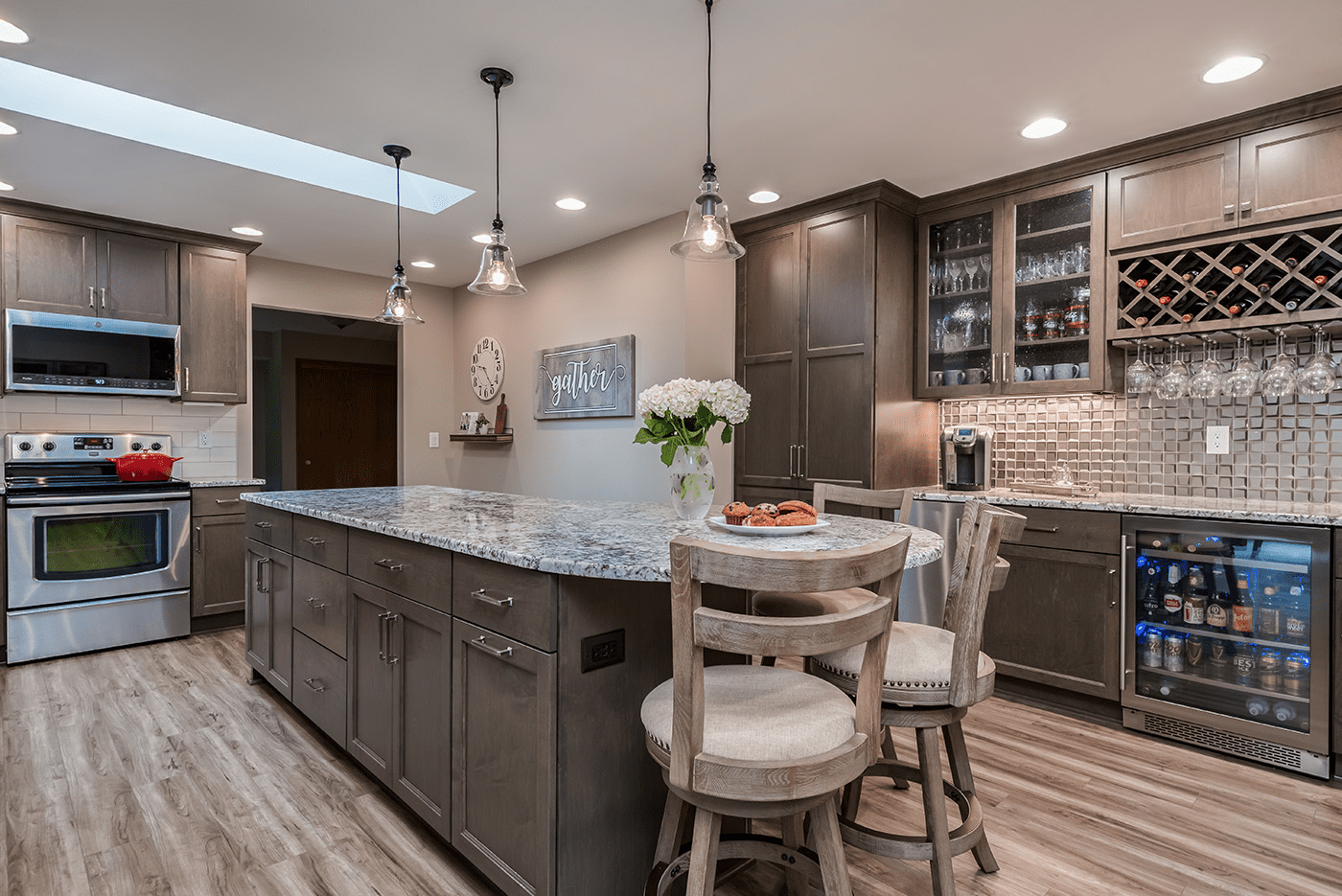
Photos carry more trust than adjectives. Bright images of the living room, bedrooms, kitchen, bathroom, closets, exterior, laundry area, and parking setup help renters feel grounded. Missing photos create suspicion, even when the property is perfectly fine.
A landlord in Phoenix may have a clean duplex with a shaded patio, but if the listing only shows the living room and kitchen, renters may assume the bathroom or bedrooms have problems. Good photos do not need to look like a magazine shoot. They need to be clear, complete, and current.
Take pictures during daylight, clean every visible surface, open blinds, and shoot from corners to show room size. Avoid heavy filters because they make renters wonder what the property looks like in person. The goal is not to make the unit look unreal. The goal is to make it look worth seeing.
Good photos also reduce wasted showings. When renters know the layout, finishes, and condition ahead of time, the people who book a tour are more likely to be serious. That saves time, especially for landlords managing multiple units after work or on weekends.
Rental Property Marketing That Matches the Local Market
Every rental competes inside a local story. A downtown studio, a suburban townhouse, and a college-area duplex need different angles because renters in those markets care about different things. Rental property marketing becomes stronger when it reflects how people actually choose homes in that specific area.
Price Against Real Competition, Not Personal Hope
Rental pricing should begin with nearby comparable listings, not the mortgage payment or the owner’s preferred profit. Renters compare your unit against others they can see today. If your price is higher, the listing must explain why through location, condition, included services, or convenience.
A Dallas owner listing a three-bedroom home should compare similar homes within the same school zone, not across the whole metro area. Two homes five miles apart can attract different renters if commute routes, school ratings, yard size, or neighborhood feel changes.
Faster tenant placement often comes from pricing with discipline in the first week. Many landlords start too high, wait through silence, then drop the rent after the listing feels stale. That delay can cost more than a fair opening price would have.
The strange truth is that the highest rent is not always the most profitable rent. A unit priced $75 above market may sit three extra weeks. A unit priced correctly may bring a qualified renter quickly and protect annual income better than a stubborn asking price.
Match Your Message to the Renter’s Real Motive
Different renters care about different benefits. Young professionals may want commute speed, walkability, and a clean home office setup. Families may care about bedrooms, storage, yard space, schools, and quiet streets. Retirees may value single-level living, parking, safety, and low maintenance.
This is where rental advertising ideas should become specific. A condo near a hospital in Boston may appeal to nurses, medical residents, or staff who work odd hours. Mentioning quick access to the hospital, secure entry, and laundry convenience can matter more than saying the unit is “charming.”
A college-town rental in Ann Arbor needs a different tone. Students and parents may look for lease timing, bedroom privacy, parking, internet readiness, and distance from campus. The more closely the listing matches that renter’s life, the less generic it feels.
Good marketing does not try to attract everyone. It tries to attract the right person with less friction. A clear message may reduce total inquiries, but it often raises the quality of those inquiries. That is a better trade than drowning in messages from renters who were never a fit.
Turning Online Attention Into Quality Showings
Getting clicks is not the same as getting a tenant. A listing can receive plenty of views and still fail if the next step feels slow, unclear, or unprofessional. Renters move fast, and many contact several properties in one sitting. The landlord who responds clearly often wins before the tour begins.
Respond Fast Without Sounding Desperate
Speed matters because renters rarely wait for one landlord. A same-day response can separate your property from a dozen ignored messages. Fast replies show organization, and organized landlords feel safer to renters.
A useful first response should confirm availability, rent amount, move-in date, showing options, and basic screening requirements. That saves both sides from awkward surprises. If pets are restricted, say so early. If income requirements apply, explain them in plain terms.
Online rental promotion works better when communication feels consistent. Use a simple message template, but personalize one line when possible. A renter can tell the difference between a helpful reply and a cold auto-response.
The unexpected insight is that good screening begins before the application. A renter who ignores basic questions, refuses to confirm move-in timing, or avoids income discussion may not be worth a showing. Polite firmness protects your time without making the process feel harsh.
Make Showings Easy to Book and Hard to Misunderstand
A showing should feel simple from the renter’s side. Offer clear time windows, confirm the address, explain parking, and mention what they should bring if they want to apply. Small details prevent no-shows and confusion.
A landlord in Atlanta showing a single-family rental after work might offer two weekday evening slots and one Saturday morning slot. That structure gives renters choice without letting the schedule become chaos. It also creates urgency because the process feels active.
Provide a short reminder message before the showing. Include the time, address, contact number, and any entry instructions. Renters are busy, and reminders reduce missed appointments. This is not hand-holding. It is operational discipline.
Showings also reveal how well your listing matched reality. If renters arrive and seem surprised by room size, parking, noise, or condition, the listing may be creating the wrong expectations. Fix the ad instead of repeating the same weak tour.
Building Trust Before the Application
A renter is not only choosing walls and appliances. They are choosing a landlord. Trust can decide whether someone applies, especially in competitive U.S. markets where scams, hidden fees, and poor management have made renters cautious. Clear information lowers that fear.
Be Transparent About Costs and Rules
Hidden costs damage trust fast. Application fees, security deposit, pet rent, utility responsibility, parking fees, lawn care, trash service, and renter’s insurance should appear clearly before the application stage. Nobody likes learning the real price after getting emotionally attached.
Tenant placement services often stress this point because unclear costs create drop-off. A renter may love the unit, then disappear when they realize the monthly total is higher than expected. Clear pricing may feel less flashy, but it keeps serious renters engaged.
A Tampa landlord renting a home with lawn care included should say that directly. Another landlord requiring tenants to handle lawn care should say that too. Both can work. Problems start when renters feel the rules were hidden.
Transparency also protects the owner. When expectations are clear early, applicants self-select more honestly. You get fewer disputes, fewer awkward conversations, and fewer applications from people who cannot meet the terms.
Make the Application Process Feel Fair
Renters want to know what happens next. Explain the application steps, screening criteria, timeline, and required documents. A fair process feels safer, especially for renters who have dealt with vague or inconsistent landlords before.
Keep your standards legal, consistent, and easy to understand. Income, rental history, credit review, background checks, occupancy limits, and pet policies should follow federal, state, and local housing rules. When in doubt, use professional guidance because fair housing mistakes can become expensive.
The human side matters here. A renter applying for a home in a tight market may feel anxious, even if they are qualified. A calm, organized process makes your property stand out because it reduces emotional friction.
Trust is not built by sounding friendly alone. It is built by doing what you said you would do. Reply when promised, send documents on time, and keep the process clean. Renters notice that, and good tenants often prefer landlords who act predictable from day one.
Conclusion
The rental market rewards owners who respect the renter’s decision process. People do not choose a home only because it has enough bedrooms or sits near the right road. They choose when the price feels fair, the listing feels honest, the photos answer questions, and the landlord seems organized enough to trust.
That is why rental property marketing should never be treated as a last-minute post with a few rushed photos. It is part pricing strategy, part communication system, part trust-building exercise. A landlord who improves each piece does not need gimmicks. They create a smoother path from first impression to signed lease.
Start with the listing that is already live. Fix weak photos. Tighten the description. Add missing costs. Compare your price to real local options. Then make your response process faster and clearer. One practical improvement today can shorten the next vacancy more than another week of waiting ever will.
Frequently Asked Questions
How can landlords market a rental property faster?
Start with clear photos, accurate pricing, and a description that explains daily living benefits. Post on major rental platforms, respond the same day, and make showings easy to schedule. Faster results usually come from reducing renter uncertainty, not adding more hype.
What are the best rental listing tips for new landlords?
Show every major room, write in plain language, disclose key rules, and explain what makes the property useful. Mention parking, laundry, utilities, pets, nearby services, and move-in timing. New landlords should focus on clarity because vague listings attract weak leads.
How do I attract better tenants to my rental home?
Better tenants respond to professional listings, fair pricing, clean homes, and organized communication. State screening standards early, keep the property well-presented, and avoid exaggerated claims. Serious renters usually prefer landlords who are clear, responsive, and consistent.
Which rental advertising ideas work best in the USA?
Strong photos, local neighborhood details, online rental platforms, social media posts, yard signs, and referral networks can all work. The best mix depends on the market. A suburban family home may benefit from school and commute details, while a city apartment may need walkability highlights.
How important are photos for online rental promotion?
Photos are one of the strongest trust signals in a rental listing. Renters often skip listings with dark, missing, or unclear images. Complete photo sets help renters understand layout, condition, and value before booking a showing, which improves lead quality.
Should I lower rent to get faster tenant placement?
Lowering rent can help, but only after comparing real local listings. Sometimes the problem is weak photos, poor description, slow replies, or unclear costs. If the price is above similar nearby homes, a smart adjustment may cost less than a long vacancy.
What should a rental property description include?
Include rent, bedrooms, bathrooms, location benefits, parking, laundry, utilities, pet rules, move-in date, deposits, and standout features. The description should help renters picture daily life. Avoid empty phrases and focus on details that affect real decisions.
Are tenant placement services worth it for landlords?
They can be worth it for owners who lack time, live far away, or struggle with marketing and screening. Good services handle pricing, listing, showings, applications, and lease preparation. The value depends on fees, local demand, and how much vacancy time they reduce.