Automotive Paint Protection for Long Lasting Vehicle Shine
A car’s shine does not fade in one dramatic moment. It fades one bad wash, one hot parking lot, one salty road, and one ignored bird stain at a time. For drivers across the United States, Automotive Paint Protection is not about showing off in a driveway. It is about keeping a vehicle from aging faster than it should in weather that rarely plays fair. Sun in Arizona, road salt in Michigan, coastal air in Florida, and tree sap in the Northeast all attack paint in different ways. A clean finish tells people you care, but a protected finish saves money when trade-in time comes around. Smart owners think beyond the next wash and treat the paint like part of the car’s long-term value. Helpful automotive ownership guides from trusted vehicle care resources can push drivers toward better decisions before damage becomes permanent. Paint does not need obsession. It needs a plan.
Why Paint Protection Matters Before Damage Shows
Most owners start caring about the paint after the first visible scratch or cloudy patch appears. That is late. The better move is protecting the finish while it still looks good, because prevention always costs less than correction. Paint damage starts small, then spreads through neglect, weather, and poor cleaning habits.
How Daily Driving Quietly Wears Down Clear Coat
Your car’s clear coat takes the first hit from almost everything on the road. Dust, grit, fuel residue, bug splatter, and loose asphalt particles all land on the surface before you even think about washing it. None of those look scary by themselves, but they grind into the finish when wiped with a dry towel or dragged through an automatic brush wash.
A commuter in Dallas may deal with heat and construction dust all week. A driver in Chicago may face road salt for months. A family in Georgia may park under trees for shade, then fight sap and pollen every spring. Different regions create different problems, but the pattern stays the same: the paint absorbs abuse long before the owner notices.
Clear coat does not fail all at once. It thins, dulls, and loses its tight gloss slowly. That slow decline tricks people into thinking nothing serious is happening. Then one day the hood looks faded compared with the doors, and the repair bill feels rude.
The smartest drivers treat paint like skin in the sun. You do not wait for a burn before thinking about cover. You protect early, clean gently, and give the surface a barrier that takes the hit before the factory finish does.
Why Vehicle Paint Protection Film Helps High-Risk Areas
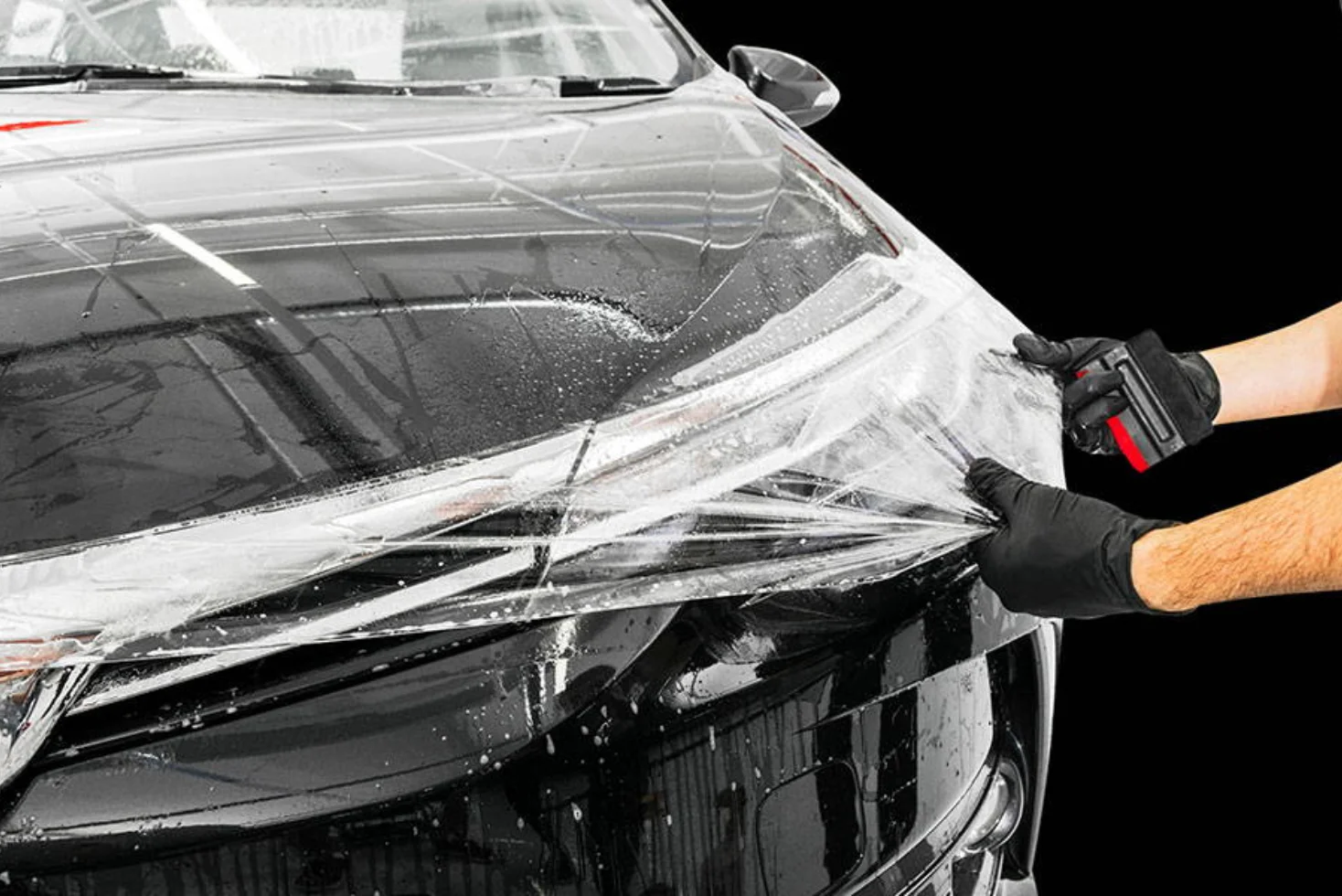
Vehicle paint protection film works best where damage happens most often. The front bumper, hood edge, side mirrors, door cups, rocker panels, and rear loading area all catch abuse from rocks, fingernails, shoes, bags, and road spray. Covering every inch may not fit every budget, but protecting these zones can prevent the marks that make a car look tired.
The front end needs special attention because highway driving throws debris straight at it. Tiny chips on a white hood may look like pepper flakes after a few years. On darker paint, those chips expose lighter primer and stand out even more. Film gives that area a sacrificial layer, so the strike hits the cover instead of the paint.
A real-world example makes the point clear. Someone who drives from New Jersey to Pennsylvania for work may rack up thousands of highway miles each month. Without protection, the bumper and hood can show damage within a year. With quality film on key panels, that same car can still look fresh after many long trips.
Film is not magic armor. Sharp impacts can still leave marks, and poor installation can create edges that collect dirt. Done well, though, it protects the places that pay the highest price for normal driving.
Automotive Paint Protection Options That Actually Work
The market makes paint care sound harder than it needs to be. Some products offer shine. Some offer protection. A few do both well. The right choice depends on how you drive, where you park, how long you plan to keep the car, and how much maintenance you will honestly do.
Ceramic Coating for Cars and Long-Term Gloss
Ceramic coating for cars creates a hard, slick layer over the paint. It helps water bead, reduces grime buildup, and makes washing easier when applied correctly. The biggest benefit is not that the car never gets dirty. It still gets dirty. The benefit is that dirt has a harder time sticking.
Good coating starts with prep. The paint usually needs washing, decontamination, and sometimes polishing before the coating goes on. Skipping that stage traps defects under the coating, which is like sealing dust under glass. The surface may shine, but the flaws remain visible.
A driver in Southern California who parks outside will value UV resistance and easier cleaning. A driver in Ohio may care more about winter grime and road salt cleanup. Ceramic coating for cars fits both cases, but expectations need to stay honest. It helps protect and simplify care. It does not replace washing.
Maintenance still matters. Use gentle shampoo, soft mitts, and clean drying towels. Avoid harsh cleaners unless the product maker approves them. The coating performs better when you treat it like a protective layer, not a challenge to see how careless you can become.
Car Wax and Sealant for Budget-Friendly Care
Car wax and sealant still have a place, especially for owners who want lower-cost protection and enjoy hands-on care. Wax often gives a warm glow, while synthetic sealants tend to last longer and resist weather better. Both can improve shine and add a temporary barrier.
The trade-off is durability. Wax may need reapplication every few weeks or months depending on weather, wash habits, and product quality. Sealants often last longer, but they still break down. Owners who park outside in Phoenix or Miami should expect shorter life than someone who garages a car in mild weather.
Budget does not mean careless. A well-maintained sealant on a daily driver can beat an expensive coating that nobody washes properly. That is the part many people miss. The best product is the one you will maintain without making excuses.
For owners building a simple routine, a quality wash, clay treatment when needed, light polish for dull paint, and car wax and sealant can go a long way. Pair that with careful drying and shade parking when possible, and the finish will age with far more grace.
Building a Paint Care Routine That Holds Up
Protection fails when routine fails. A driver can spend money on film, coating, wax, or sealant, then ruin the finish with rough washing and lazy drying. The boring habits matter. They are not exciting, but they are the reason one five-year-old car still shines while another looks neglected.
What Is the Safest Way to Wash a Protected Car?
A safe wash starts before water touches the car. Rinse loose grit first, especially around lower panels, wheels, and the rear bumper. Dirt collects there, and dragging it across paint creates fine scratches that show up under sunlight. Use a clean wash mitt, not an old sponge that has lived on a garage shelf since 2014.
Two buckets help, but clean technique matters more than the bucket count. Wash from the top down because the upper panels carry less grit. Save bumpers, rocker panels, and lower doors for last. Rinse the mitt often. Once it hits the ground, stop using it on paint.
Automatic brush washes are convenient, but they can punish a finish. Those brushes touch hundreds of dirty vehicles. If you must use a commercial wash, choose a touchless option and understand its limits. Strong chemicals can weaken waxes and some sealants over time.
Drying deserves respect. Letting hard water bake onto paint can leave mineral spots, especially in hot states. Use a soft drying towel or air blower. A rushed wipe with a rough towel can undo months of careful care in five minutes. Painful, but true.
How Paint Protection Maintenance Changes by Season
Seasonal care matters because the paint faces different enemies throughout the year. Winter brings salt and slush in northern states. Spring brings pollen, sap, and bird droppings. Summer brings UV exposure and baked-on bugs. Fall adds wet leaves and organic stains that can cling to neglected surfaces.
Winter drivers should rinse the underbody and lower panels often. Salt does not care how much you paid for your car. It attacks metal, trim, and paint edges with patience. Even a quick rinse after storms can reduce the mess before it hardens into crust.
Summer care should focus on heat and timing. Wash early or late, not under harsh midday sun. Soap drying on hot paint can leave marks, and water spots form fast. Parking in shade helps, but tree shade comes with sap and bird risk, so choose wisely.
For long-term upkeep, keep a small emergency kit in the trunk: microfiber towels, safe detail spray, and disposable gloves. Bird stains and bug acids can etch quickly. Removing them early protects the finish better than any dramatic weekend detail session.
Protecting Resale Value Through Smarter Finish Care
Paint condition tells buyers how the car was treated. A shiny exterior does not prove perfect maintenance, but a neglected finish raises suspicion fast. Buyers notice faded bumpers, scratched door handles, chipped hoods, and cloudy panels. Those signs can lower offers before anyone checks the engine.
Why Long Lasting Vehicle Shine Supports Trade-In Value
Long lasting vehicle shine affects perception before negotiation begins. A clean, glossy car looks newer, even when the mileage is average. Dealers know this. Private buyers know it too. The exterior becomes the first argument for or against your asking price.
A five-year-old SUV with clean paint, clear headlights, and protected high-impact panels can feel like a better buy than a lower-mileage model covered in swirls and chips. That may not be fair, but buyers respond to what they see first. Paint is emotional evidence.
Documentation helps. Keep receipts for film, coating, detailing, and maintenance products. A buyer may not understand every product, but records show care. That care can separate your car from five similar listings in the same ZIP code.
Owners who plan to trade in should not wait until the final month to think about shine. Correction work near resale can help, but deep chips, burned clear coat, and heavy oxidation do not disappear cheaply. Earlier care gives you more options later.
When Professional Help Beats DIY Guesswork
DIY care works when the job matches your skill level. Washing, spray sealants, basic wax, and light upkeep make sense for many owners. Paint correction, film installation, and high-end coatings demand more skill, cleaner spaces, and better tools. Guessing here gets expensive.
A poor polishing job can burn edges, leave haze, or create uneven gloss. Bad film installation can trap dirt, show bubbles, or peel early. Cheap coating work can streak and harden in ugly patterns. The problem is not DIY pride. The problem is pretending a high-skill job is the same as applying tire shine.
Choose a professional based on process, not social media gloss. Ask how they prep paint, what products they use, what warranty applies, and how they handle edges and trim. Look at cars they finished months ago, not only the one under perfect shop lighting today.
Owners can also use broader car ownership and maintenance planning resources to think beyond shine alone. Paint care sits inside a larger ownership strategy that includes safety checks, tire condition, records, and routine service. The National Highway Traffic Safety Administration also offers vehicle safety information that reminds drivers not to let appearance distract from safe operation. A sharp finish feels great, but a safe car matters first.
Conclusion
The best paint care strategy is not the most expensive one. It is the one matched to your roads, your parking situation, your climate, and your patience. A garage-kept weekend coupe does not need the same plan as a black pickup commuting through salted winter highways. That difference matters. Automotive Paint Protection works when you stop treating shine as decoration and start treating it as preservation. Pick the barrier that fits your life, wash with care, remove stains early, and protect the panels that take the most abuse. Small habits beat last-minute panic every time. Your vehicle’s finish is speaking long before you sell it, trade it, or hand someone the keys. Make sure it says the right thing. Start with one smart protection step this week, then build the routine that keeps your car looking cared for mile after mile.
Frequently Asked Questions
What is the best paint protection for daily drivers in the USA?
The best choice depends on driving conditions. Film works well for rock chips and high-impact areas, while ceramic coating helps with gloss, water behavior, and easier washing. Many daily drivers benefit from film on the front end and coating on the rest of the vehicle.
How long does ceramic coating for cars usually last?
Professional coatings often last several years when the vehicle is washed correctly and maintained with approved products. Harsh chemicals, brush washes, sun exposure, and poor prep can shorten that life. The coating lasts longest when the paint is clean before application.
Is vehicle paint protection film worth it for highway driving?
Highway drivers often get strong value from film because front bumpers, hoods, mirrors, and rocker panels take repeated hits from road debris. It will not stop every mark, but it can prevent many chips that make a vehicle look older than it is.
Can car wax and sealant protect against sun damage?
Wax and sealant can add a temporary layer that helps reduce exposure, but they need regular reapplication. In hot states with strong UV, they break down faster. For stronger long-term defense, many owners choose ceramic coating or combine sealant care with covered parking.
How often should I wash a protected vehicle?
Most protected cars do well with washing every one to three weeks, depending on weather, road grime, and parking conditions. Salt, bird droppings, bugs, and sap should be removed sooner. Letting acidic stains sit can damage the finish even when protection is present.
Does paint protection stop scratches completely?
No product stops every scratch. Film can absorb many light impacts and small abrasions, while coatings may reduce wash marks by making the surface slicker. Poor washing can still scratch paint, so careful technique remains part of the protection plan.
Should new cars get paint protection right away?
A new car is often the best candidate because the finish has fewer defects. Early protection helps preserve the factory look before chips, stains, and wash marks build up. The paint should still be inspected and cleaned properly before any film or coating is applied.
What areas of a car need protection first?
The front bumper, hood edge, mirrors, door cups, rocker panels, and rear cargo area usually need attention first. These spots collect chips, scratches, shoes, bags, and hand marks. Protecting high-risk panels gives strong value without covering the entire vehicle.