Elegant Curtain Ideas for Stylish Window Decoration
A bare window can make even a well-furnished room feel unfinished. The furniture may be right, the rug may fit, the wall color may behave, but without the right fabric framing the glass, the room often feels like it stopped one decision too early. That is where curtain ideas matter more than most people admit. Curtains soften hard edges, control glare, add privacy, and give a room that final layer of intention. In many American homes, especially open-plan living rooms, apartments, bedrooms, and dining spaces, window treatments carry more visual weight than a small decor piece ever could. They sit in your line of sight every day. They affect morning light, evening mood, and how polished the room feels when guests walk in. A helpful home design resource like smart interior styling guidance can push you toward better choices, but the real skill is knowing what your own room needs before buying fabric. The best curtains do not shout. They support the room so well that everything else suddenly looks more settled.
Elegant Curtain Ideas That Shape the Whole Room
Curtains are not background decor. They change the architecture of a room without moving a wall, which is why the wrong pair can make a ceiling feel lower, a window feel smaller, or a room feel heavier than it is. The right choice does the opposite. It lifts the eye, cleans up the edges, and gives the space a sense of calm that furniture alone cannot create.
Hanging Curtains Higher Makes Windows Look Better
A common mistake is hanging curtain rods directly on top of the window frame. It feels safe because the frame gives you a clear guide, but safe is not always smart. When the rod sits too low, the window looks boxed in, and the wall above it feels unused.
Mounting the rod closer to the ceiling gives the window more presence. In a standard American living room with eight-foot ceilings, even raising the rod six to ten inches above the frame can change the entire feel of the wall. The window looks taller. The ceiling feels higher. The room gains polish without any construction work.
This works because the eye follows vertical lines. Long curtain panels create a visual path from ceiling to floor, and that path makes the room feel stretched in a good way. It is one of those design moves that looks expensive even when the curtains are not.
Length matters too. Panels that stop awkwardly above the floor often look accidental. Curtains should either kiss the floor, break softly on it, or puddle with clear intention. For most homes, a slight floor touch gives the cleanest result because it feels finished without becoming fussy.
Choosing Width Gives Fabric a Richer Finish
Curtains need fullness to look good. Thin panels stretched flat across a window can make even nice fabric look cheap. The better rule is simple: the total curtain width should be at least one and a half to two times the width of the window.
That extra fabric creates folds, and folds create depth. Without them, curtains lose movement and start looking like sheets pinned to a wall. The room feels underdressed, even if the color and material are right.
Fullness also helps when curtains are open. Panels should stack nicely on both sides of the window instead of barely covering the glass. This matters in living rooms where natural light is part of the room’s appeal. You want the window exposed during the day and softened at night.
For wide patio doors or large picture windows, fullness becomes even more important. A large glass surface needs enough fabric to balance it. Otherwise, the window dominates the room in a cold way, and the curtains feel like an afterthought.
Fabric Choices That Control Light, Mood, and Privacy
Once the curtain shape is right, fabric becomes the next serious decision. This is where many rooms either gain warmth or lose it. Fabric affects how daylight enters, how private the room feels, and how much visual softness the space carries. The right material can make a room feel calm in the morning and cozy at night.
Sheer Window Curtains Work Best with Layers
Sheer window curtains are beautiful, but they need honesty. They soften sunlight and make a room feel airy, yet they do not give full privacy after dark when indoor lights are on. That does not make them useless. It means they need the right role.
In a living room, sheers can filter harsh afternoon sun without blocking the view. They work well in homes where the window faces a backyard, garden, or quiet street. The light stays gentle, and the room feels open instead of exposed.
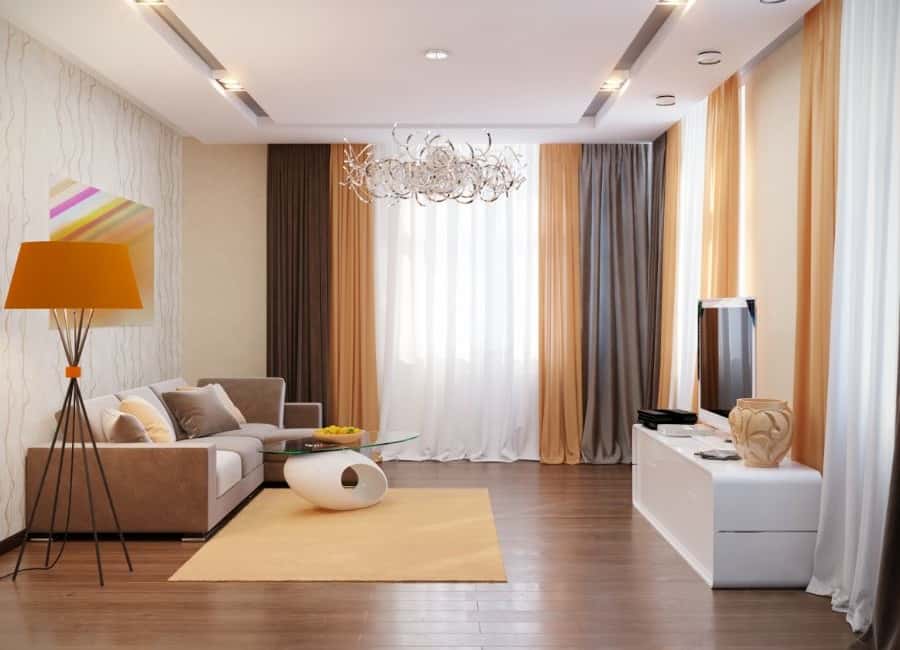
The strongest use of sheers is layering. A sheer panel closest to the window, paired with a heavier outer curtain, gives you control. You can keep the sheers closed during the day and pull the heavier panels at night. This setup looks finished because it solves both mood and privacy.
White and off-white sheers remain popular because they do not fight the room. Still, warmer ivory tones often work better in homes with beige walls, wood floors, or brass accents. Stark white can look sharp in modern spaces, but in softer rooms it may feel too crisp.
Blackout Curtains Belong Beyond Bedrooms
Blackout curtains are usually treated like a bedroom-only solution, but that thinking is too narrow. They can help in nurseries, media rooms, guest rooms, and even sunny home offices where screen glare turns work into a daily irritation.
The trick is choosing blackout panels that do not look stiff or hotel-like. Many newer options have a softer face fabric with a lined backing, so the practical layer stays hidden. This gives you light control without sacrificing style.
In bedrooms, blackout curtains support sleep better than thin decorative panels. Streetlights, early sunrise, and neighbor lighting can all disturb rest, especially in urban apartments or suburban homes with close-set houses. Good curtains create a darker room and a quieter feeling.
Color also plays a role. Dark blackout panels can feel dramatic, but they may overpower small rooms. Soft taupe, warm gray, oatmeal, and muted blue often give the same light-blocking benefit while keeping the space relaxed.
Color and Pattern Choices That Feel Intentional
Color is where curtains can either blend, anchor, or interrupt. None of those choices is wrong by itself. The problem comes when people choose curtain color in isolation, without looking at the wall color, flooring, furniture, and natural light. Curtains cover too much visual space to be picked like a throw pillow.
Neutral Curtain Panels Create Quiet Elegance
Neutral curtain panels are the safest choice only when they are chosen with care. Beige, cream, taupe, gray, and white all sound simple, but each one carries a different temperature. A cool gray curtain beside warm wood floors can feel flat. A yellow cream against crisp white walls can look aged before its time.
The best neutral curtains connect to something already in the room. They might echo the sofa fabric, the rug background, the stone fireplace, or the warm tone in a wood coffee table. That small connection makes the choice feel designed instead of random.
Texture keeps neutral curtains from becoming dull. Linen blends, cotton slub, woven panels, and softly brushed fabrics add surface interest without adding noise. This works especially well in minimalist rooms where every detail becomes more visible.
Neutral does not mean invisible. A good neutral curtain can become the quiet frame that makes everything else look better. It lets artwork, furniture, and light take the lead while still giving the room a finished edge.
Patterned Curtains Need Breathing Room
Patterned curtains can be gorgeous, but they demand restraint elsewhere. Large floral prints, stripes, checks, and geometric designs bring movement to the wall. If the room already has a busy rug, bold pillows, and colorful art, patterned curtains may push it over the edge.
The best rooms give pattern a job. Striped curtains can make a ceiling feel taller. A soft botanical print can warm up a plain bedroom. A subtle geometric pattern can add structure to a modern dining room. Pattern works when it solves a visual problem, not when it appears because the room felt boring.
Scale matters more than people think. Small patterns can look nervous from a distance, especially on tall panels. Larger patterns often feel cleaner because the eye can read them easily. In smaller rooms, a tone-on-tone pattern gives interest without crowding the walls.
Pattern also needs color discipline. A curtain print should repeat one or two colors already present in the room. That connection keeps the design from feeling like a separate idea pasted onto the window.
Room-by-Room Curtain Styling That Actually Works
Every room asks something different from curtains. A bedroom needs privacy and rest. A living room needs light control and polish. A dining area may need softness without getting too heavy. Treating every window the same is how homes end up looking decorated but not considered.
Living Room Curtains Should Frame, Not Fight
Living room curtains carry a public role. They are part of the room guests see first, and they often sit near the largest windows in the house. This makes them important, but it also means they should not compete with every other feature.
For most living rooms, curtains work best when they frame the window rather than dominate it. Solid panels in a warm neutral, soft color, or textured fabric usually offer the most lasting value. They give the room height and softness while letting the seating area remain the focus.
Open-plan American homes need extra care here. When the living room connects to the kitchen or dining space, curtain color should feel compatible with the whole area. A dramatic curtain choice in one zone can throw off the balance across the entire open space.
Hardware matters too. A thin, weak rod can ruin good curtains. Choose a rod with enough visual weight for the fabric and window size. Matte black, warm brass, bronze, and brushed nickel all work when they relate to other finishes in the room.
Bedroom Curtains Should Protect the Mood
Bedroom curtains are not only decorative. They shape how the room feels when you wake up and how easily you settle down at night. This is where privacy, light control, and softness carry equal weight.
Layering works beautifully in bedrooms. A sheer or light-filtering inner layer gives daytime softness, while a lined outer curtain handles nighttime privacy. This gives the room flexibility instead of forcing one fabric to do every job.
Color should feel restful, not sleepy in a dull way. Dusty blue, warm beige, muted green, soft gray, and creamy white can all create calm without draining the room. Heavy dark curtains may work in larger bedrooms, but in smaller spaces they need balance through lighter bedding or walls.
The most overlooked detail is sound. Heavier curtains can slightly soften echo, especially in rooms with hardwood floors, bare walls, or minimal furniture. They will not soundproof a room, but they can reduce that sharp empty feeling that makes a bedroom feel unfinished.
Conclusion
Curtains reward patience. A rushed choice often looks fine in the package and wrong the moment it touches the wall. The better approach is slower and more practical: look at the height, width, light, privacy needs, fabric weight, and the mood you want the room to carry. Stylish window decoration comes from those decisions working together, not from chasing the loudest trend. A simple linen panel hung high can beat an expensive curtain hung badly. A soft blackout layer can change a bedroom more than another accent chair ever will. Your windows deserve that level of attention because they affect the room every single day. Start with the room that bothers you most, measure properly, choose fabric with purpose, and let the curtains finish the space with quiet confidence.
Frequently Asked Questions
What are the best curtain ideas for a small living room?
Hang curtains high and wide to make the wall feel larger. Choose light fabric, soft neutral colors, and panels that touch the floor. Avoid bulky patterns unless the rest of the room is quiet. The goal is height, softness, and more visible window space.
How do I choose curtain colors for stylish window decoration?
Start with the room’s fixed elements, such as flooring, wall color, sofa fabric, and metal finishes. Pick a curtain color that connects to one of those tones. For a calm look, stay close to the wall color. For contrast, choose a deeper shade already present nearby.
Are sheer curtains enough for privacy at night?
Sheer curtains are not enough when indoor lights are on. People outside can often see through them after dark. Use sheers for daytime light filtering, then pair them with lined curtains, blackout panels, blinds, or shades for proper nighttime privacy.
Should curtains touch the floor or stop at the window sill?
Floor-length curtains usually look more polished in living rooms, bedrooms, and dining spaces. Sill-length curtains can work in kitchens, bathrooms, or above built-ins. For the cleanest look, let panels lightly touch the floor instead of stopping several inches above it.
What curtain fabric looks most elegant in modern homes?
Linen blends, cotton, velvet, and textured woven fabrics all work well when matched to the room’s mood. Linen feels relaxed and airy. Velvet adds depth and warmth. Cotton looks clean and casual. The most elegant choice is the one that fits the room’s light and furniture.
How wide should curtain panels be for a full look?
The combined curtain width should usually be one and a half to two times the window width. This creates natural folds instead of a flat, stretched look. Wider windows and patio doors often need extra fullness so the fabric feels balanced when opened or closed.
Can patterned curtains work in a simple bedroom?
Patterned curtains can work well if the rest of the bedroom stays calm. Choose a soft print, muted color palette, or tone-on-tone design. Avoid pairing bold curtains with busy bedding and heavy wall art unless you want the room to feel highly energetic.
What is the easiest way to make cheap curtains look expensive?
Hang them higher, use enough width, steam out wrinkles, and choose better hardware. Cheap curtains often fail because they are too short, too narrow, or badly mounted. Proper length and fullness can make affordable panels look far more custom than they are.