Winter Layering Tips for Warm Stylish Looks
Cold weather exposes every weak outfit choice before you reach the sidewalk. A coat that looked sharp indoors can feel stiff, bulky, or unfinished once wind hits, which is why Winter Layering Tips matter for anyone in the USA who wants warmth without looking buried under fabric. The best cold-weather dressing is not about piling on more clothes; it is about choosing pieces that work together, breathe well, and still let your shape, color sense, and personal taste show. Good layered clothing gives you range, whether you are heading to a Chicago train platform, a Denver coffee run, a New York dinner, or a mild Los Angeles evening that still calls for texture. Style also moves faster now, helped by fashion blogs, social feeds, and digital lifestyle publishing that makes winter style feel less seasonal and more personal. The goal is simple: stay warm, move freely, and look intentional from the first layer to the last.
Build Warmth From the Inside Out
Smart winter dressing starts close to the skin, not with the biggest coat in your closet. Many people treat the outer layer like the hero, then wonder why they still feel cold in a thick jacket. Heat leaves through gaps, poor fabric choices, and sweaty base layers that turn damp once you step indoors. The quiet work happens underneath, where comfort decides whether the whole outfit succeeds.
Choose Base Layers That Disappear Under Clothes
A good base layer should feel almost invisible. Thin thermal tops, fitted long sleeves, silk-blend undershirts, and soft merino pieces add warmth without changing the shape of your outfit. That matters because bulk near the body makes every layer above it fight for space.
Cotton can work on dry, mild days, but it performs poorly when you sweat or face wet weather. A long walk through downtown Boston or a crowded subway ride can turn a cotton undershirt clammy fast. Merino, heat-tech blends, and breathable synthetics handle those shifts better, which keeps your winter outfits comfortable from morning to night.
Fit carries more weight than most people admit. A base layer that bunches at the elbows or rides up under a sweater will ruin your mood by lunch. Choose close-fitting pieces with smooth seams, then build from there with knits, shirts, and jackets that sit cleanly instead of wrestling underneath.
Let Fabric Weight Do the Heavy Lifting
Warmth does not always come from thickness. A dense wool sweater can outperform a puffy acrylic knit because the fiber traps heat with more control. A brushed cotton overshirt can add comfort under a coat without turning your upper body into a square.
American winters vary wildly, so fabric weight needs to match your city. Minneapolis demands a different plan than Atlanta. In colder regions, wool, fleece, down, shearling, and lined denim earn their place. In milder areas, flannel, corduroy, cashmere blends, and quilted cotton give enough warmth without making you look overdressed.
Layered clothing works best when each piece has a job. One piece handles warmth, another adds structure, and another protects against wind or rain. Once you think that way, getting dressed feels less like guessing and more like building a clean system.
Create Shape Instead of Bulk
The biggest mistake in cold weather style is assuming warmth requires a larger silhouette everywhere. Oversized pieces can look sharp, but only when they are balanced with intention. A wide coat over a wide sweater and wide pants can look confident on a runway, yet feel heavy and shapeless during errands. The trick is not to avoid volume. The trick is to control where it goes.
Balance Slim, Relaxed, and Structured Pieces
A fitted base layer under a relaxed sweater gives your outfit room without losing your frame. A cropped puffer over straight-leg jeans creates a cleaner line than a long bulky coat over baggy bottoms. Shape comes from contrast, and contrast keeps warm stylish looks from turning into a pile of fabric.
Proportion matters more when winter accessories enter the picture. A chunky scarf, beanie, gloves, and tall boots can add visual weight in seconds. If the top half has texture and volume, keep the lower half cleaner with tailored trousers, slim denim, or a sharp boot shape. The outfit reads planned, not overloaded.
One reliable formula works across much of the USA: fitted base layer, midweight knit, structured coat, and one strong accessory. That could mean a cream turtleneck, charcoal wool trousers, a camel coat, and leather gloves. It could also mean a black thermal tee, plaid flannel, cropped puffer, and dark denim. Same logic, different personality.
Use Length to Make Layers Look Intentional
Layer length can make or break winter outfits. A shirt hem peeking under a sweater can look relaxed and natural, but a random stack of uneven hems can look messy. The eye needs a pattern, even if the outfit feels casual.
A longer coat over shorter inner layers often looks polished because the outer line frames everything inside. A hip-length jacket works better when the sweater or hoodie beneath does not hang far below it. Small differences matter here. Two inches can look styled; six inches can look accidental.
Layered clothing also benefits from clean openings. Leave a coat open when weather allows, especially if your inner layers have good contrast. A visible collar, half-zip, scarf, or cardigan edge gives depth. Winter style becomes more interesting when the outfit has a front-facing story instead of one sealed block of fabric.
Use Color and Texture With Restraint
Cold months tempt people into two extremes: all-black safety or loud seasonal chaos. Neither is wrong, but both can feel flat when handled without care. Texture and color carry extra power in winter because outfits cover more of the body. More fabric means more visual space, and that space needs discipline.
Build a Tight Color Palette First
A winter palette does not need to be dull. Navy, camel, olive, charcoal, cream, burgundy, chocolate, slate, and deep green all feel grounded without disappearing. Pick two main colors and one accent before adding layers. That small decision saves the outfit from becoming noisy.
Warm stylish looks often come from quiet color relationships. A cream sweater under a brown suede jacket feels soft and rich. Gray wool trousers with a navy coat and black boots feel city-ready without trying too hard. Even a bright scarf works better when the rest of the outfit gives it room to speak.
Regional style can guide color choices too. In the Pacific Northwest, olive rain shells and dark denim feel natural. In New England, navy coats, wool scarves, and leather boots fit the setting. In the Southwest, tan, rust, denim, and ivory can make cold-weather dressing feel lighter while still seasonal.
Mix Texture Before Adding More Color
Texture adds interest without shouting. Wool, leather, suede, corduroy, fleece, denim, faux fur trim, ribbed knits, and quilted nylon all catch light in different ways. When those textures sit near each other, even simple colors start to look layered and expensive.
A black outfit, for example, gains depth when it includes a ribbed turtleneck, wool coat, leather boots, and a matte puffer vest. The color stays simple, but the surface changes. That is the move people miss when they call neutrals boring.
Cold weather outfits should also respect touch. Scratchy scarves, stiff jackets, and noisy synthetic shells can look good in photos yet become annoying in real life. Winter dressing lives on your body for hours. A texture that feels bad will eventually make the whole outfit feel wrong.
Make Outerwear Work Beyond Warmth
Outerwear carries the first impression in winter. It is the piece people see before your sweater, shirt, or carefully chosen belt. That does not mean every coat must be expensive, but it does mean the coat should match the life you live. A commuter, parent, college student, office worker, and weekend traveler all need different strengths from outerwear.
Match the Coat to the Day, Not the Calendar
A heavy parka makes sense during a freezing January walk in Detroit. The same coat may feel clumsy for a mild Nashville afternoon. Dressing by month alone leads to discomfort because winter is not one fixed condition across the USA.
Check wind, moisture, and time outdoors before choosing outerwear. Dry cold favors wool and down. Wet cold calls for water-resistant shells, coated parkas, or trench-inspired layers. Wind demands coverage at the neck, wrists, and hem. Temperature matters, but exposure matters more.
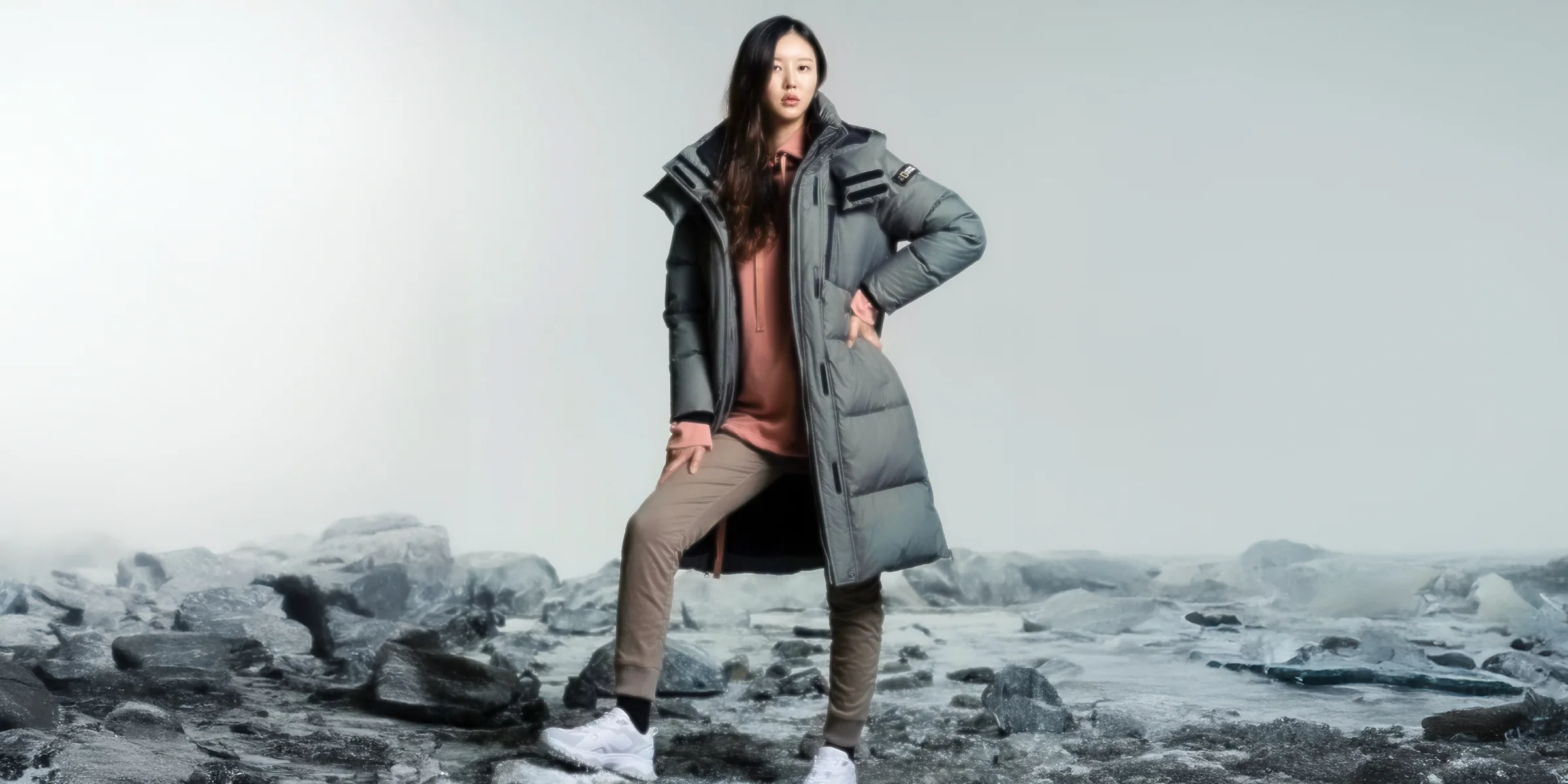
Winter style improves when your coat supports the plan. A wool overcoat works for dinner, the office, and dressier weekends. A puffer handles casual errands and outdoor time. A quilted jacket bridges mild days. A leather jacket needs real support underneath, such as a thermal knit or hoodie, because attitude alone does not block wind.
Treat Accessories as Functional Style Pieces
Accessories should do more than decorate. Scarves seal neck gaps, beanies protect heat, gloves keep your hands useful, and socks decide whether boots feel bearable. The best winter accessories look like part of the outfit rather than emergency add-ons.
A scarf can soften a structured coat, add contrast to a dark outfit, or pull together colors from your shoes and knitwear. Gloves can shift the whole mood, too. Black leather feels polished, wool feels casual, and technical gloves fit a sportier coat without looking misplaced.
Footwear deserves the same attention. Snow boots, Chelsea boots, lug-sole loafers, insulated sneakers, and waterproof hikers all send different signals. Choose the pair that fits the weather and the outfit. Nothing breaks warm stylish looks faster than beautiful shoes that fail on icy pavement.
Conclusion
Great winter dressing is less about owning more and more about making smarter combinations. Once you know how base layers, fabric weight, shape, texture, and outerwear work together, cold mornings stop feeling like a style problem. They become a chance to dress with depth. The best Winter Layering Tips give you control: you can walk farther, stay comfortable indoors, and still look like yourself when the coat comes off. Start with one outfit formula this week, then adjust it for your weather, your routine, and your personal taste. Build from the inside out, keep the shape clean, and let each layer earn its place. Winter style rewards people who plan, but it does not ask for perfection. Choose one cold day, dress with intention from the first layer, and make warmth look like a choice instead of a compromise.
Frequently Asked Questions
What are the best winter layering ideas for everyday outfits?
Start with a thin base layer, add a knit or shirt, then finish with outerwear that matches the weather. Keep the inner layers close to the body so the outfit stays clean. Add one accessory, such as a scarf or gloves, for warmth and polish.
How can I wear layered clothing without looking bulky?
Use thinner pieces near the skin and save volume for one outer layer. A fitted thermal, midweight sweater, and structured coat look cleaner than three oversized items stacked together. Balance loose tops with slimmer pants or sharper boots.
What fabrics work best for cold weather outfits?
Wool, merino, fleece, down, flannel, corduroy, and quilted materials work well in cold weather. Merino is strong for base layers because it manages warmth without feeling heavy. Wool coats and dense knits add structure while keeping heat close.
How do I make winter outfits look stylish in the USA?
Dress for your local climate first, then add style through color, fit, and texture. A Chicago outfit may need a parka and boots, while a Dallas outfit may only need a jacket and knit. The sharpest look is always the one that fits the day.
What colors are best for warm stylish looks in winter?
Camel, charcoal, navy, cream, olive, burgundy, chocolate, and black all work well. Pick two main colors and one accent so the outfit feels controlled. Texture can add interest when you want a simple palette to look richer.
Can I layer hoodies with coats and still look polished?
A hoodie can look polished when the coat has structure and the colors stay clean. Pair a plain hoodie with a wool coat, puffer, or leather jacket. Avoid thick graphics, stretched cuffs, or bulky hoods that fight the coat collar.
What shoes should I wear with winter style outfits?
Choose shoes based on weather first. Chelsea boots, lug-sole boots, insulated sneakers, waterproof hikers, and snow boots all work when matched to the outfit. Clean leather suits dressier looks, while rugged soles fit casual cold-weather outfits.
How many layers should I wear in cold weather?
Three layers usually work for most days: a base layer, a warming middle layer, and a protective outer layer. Add accessories when wind or snow increases. More layers help only when each one has a clear purpose and fits comfortably.