Contemporary Fashion Trends for Modern Everyday Style
American style has stopped waiting for permission. The old split between work clothes, weekend clothes, and “going out” clothes feels less useful when your day might move from a coffee run to a client call to dinner without a full outfit change. That is why contemporary fashion trends matter so much right now: they are not about chasing every runway idea, but about building a closet that keeps up with real life. Across the USA, people want polish without stiffness, comfort without looking careless, and personal taste without spending half the morning overthinking it. A sharper wardrobe starts when you stop treating style like a costume and start treating it like a daily system. Resources for modern brand visibility often make the same point in a different lane: presentation shapes trust before a word is spoken. Clothing works the same way. The right outfit does not need to shout. It needs to say you know where you are, what you are doing, and how you want to move through the day.
Dressing for Real American Routines
Modern style lives in the gap between ambition and errands. Most people are not dressing for photo shoots; they are dressing for commutes, hybrid workdays, grocery runs, school pickups, casual dinners, airport lines, and the awkward middle ground between “relaxed” and “presentable.” That is where modern everyday style earns its place, because the best clothes now work harder without looking busy.
Why polished comfort beats stiff formality
American wardrobes have grown less formal, but that does not mean they have grown sloppy. The strongest everyday fashion now mixes ease with intention: relaxed trousers with a fitted knit, clean sneakers with a wool coat, a plain tee under a structured jacket. The outfit feels comfortable, yet someone still made decisions.
The trick is choosing pieces that hold their shape. A soft sweatshirt can look sharp when it has a clean neckline, solid fabric weight, and a fit that lands at the right point on the body. A pair of joggers can look grown-up when they read closer to tapered trousers than gym gear.
This is where many people miss. They buy comfort first and hope style follows. Better modern wardrobe ideas begin with silhouette, fabric, and proportion, then let comfort come through those choices.
The rise of clothes that move between settings
A strong outfit now needs range. A person in Chicago might leave home in a long coat, work from a shared office, meet a friend after hours, and still want to look natural in every room. That does not require a dramatic outfit; it requires smart balance.
A dark straight-leg jean, leather loafer, fine-gauge sweater, and cropped jacket can move through half a day without looking misplaced. Swap the loafer for a clean sneaker and the outfit relaxes. Add a belt and a better watch, and it sharpens again.
Casual style has matured because people expect more from fewer pieces. The old idea of a “casual outfit” often meant giving up polish. The newer version asks a better question: can this look feel easy without looking accidental?
Building a Wardrobe Around Shape, Not Noise
After comfort comes structure. A wardrobe filled with loud pieces can still feel flat if nothing fits with purpose. Shape gives clothing its power, and modern dressing rewards people who understand the outline of an outfit before they worry about color, print, or trend.
How proportion changes the whole outfit
Good proportion can make simple clothes look expensive. A tucked tee with wide-leg trousers feels more considered than the same tee floating over loose pants. A cropped jacket over a longer shirt can create depth, while an oversized coat over slim trousers can make the whole look feel intentional.
The strongest everyday fashion often comes down to contrast. Wide with narrow. Soft with sharp. Short with long. When every piece has the same volume, the outfit can lose direction. When every piece is tight, it can feel dated or uncomfortable.
A useful test is the mirror test from five feet away. Details matter, but the first thing people notice is shape. If the outline looks balanced, the outfit already has a solid foundation.
Why basics need personality
Basics fail when they become bland. A white shirt, black trouser, denim jacket, or plain sweater can anchor a closet, but only when the cut carries some attitude. A boxy tee has a different mood from a fitted one. A ribbed tank says something different from a crewneck cotton tee.
Modern wardrobe ideas should not mean buying the safest version of every item. They should mean finding basics with enough character to stand on their own. A slightly heavier tee, a sharper collar, a better shoulder seam, or a richer texture can turn a plain outfit into a good one.
This is also where personal taste starts to show without forcing it. Someone in Los Angeles may lean into linen, faded denim, and suede sandals. Someone in New York may choose black wool, crisp shirting, and ankle boots. Both wardrobes can be simple, yet neither feels empty.
Color, Texture, and Detail That Feel Current
Once shape works, the smaller choices start to matter more. Color and texture are not decoration at the end; they control the mood of the outfit from the start. The best contemporary fashion trends are less about loud novelty and more about subtle choices that make familiar clothes feel alive.
How neutral outfits avoid looking flat
Neutrals dominate American closets because they are practical. Black, white, navy, gray, camel, cream, olive, and denim all play well together. The risk is not boredom; the risk is sameness. A flat neutral outfit usually lacks texture, not color.
A cream knit, faded blue denim, brown leather belt, and suede jacket create more movement than four bright pieces fighting for attention. The colors stay quiet, but the surfaces do the work. Cotton, wool, leather, suede, canvas, and ribbed knits each catch light differently.
Modern everyday style benefits from this kind of depth. You can wear a narrow color palette all week and still avoid repeating the same mood. Texture keeps the eye interested without making the outfit feel loud.
Small details that make an outfit look chosen
Details do not need to announce themselves. A clean cuff, a strong sock choice, a belt that matches the shoe tone without looking too perfect, or a tucked knit under a coat can change the read of the whole outfit. These choices signal care.
Casual style depends on these quiet signals. A baseball cap can look lazy with a stretched hoodie and worn-out sneakers, but sharp with a chore jacket, straight jeans, and clean trainers. The item did not change. The context did.
A good detail should feel like it belongs to the person, not like a styling trick copied from a feed. That is why jewelry, eyewear, bags, and watches work best when they repeat a mood already present in the clothes. The outfit should feel edited, not decorated.
Personal Style Is the New Status Signal
The most interesting shift in fashion is not a single garment. It is the move away from dressing to prove wealth and toward dressing to prove self-knowledge. People still care about brands, but brand names alone no longer carry the outfit. Taste has become the sharper signal.
Why copying trends rarely works
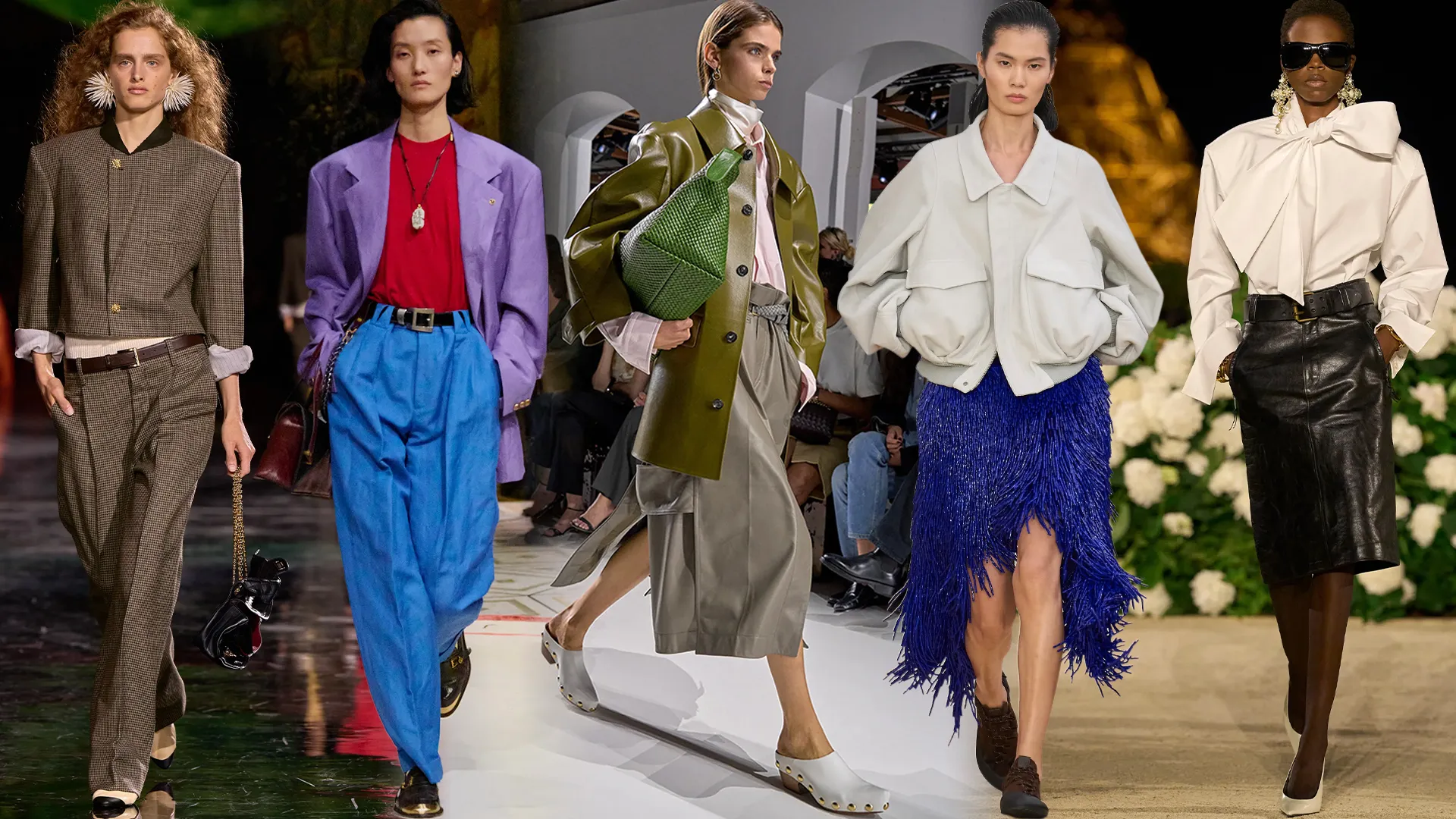
Trend copying looks weak because it skips the most important step: translation. A runway look, celebrity outfit, or viral TikTok combination can inspire you, but it still has to pass through your body, climate, budget, job, and daily habits. Without that filter, the outfit can wear you.
A better way is to steal the principle, not the full look. Maybe the trend is wide trousers. The useful lesson is not “buy the exact pair everyone has.” The lesson is that volume on the bottom can make fitted tops feel fresh again. That gives you room to adapt.
Modern wardrobe ideas work best when they start with your actual life. If you walk a lot, shoes matter more than statement layers. If your office runs cold, knitwear becomes part of your style language. If you live in Texas heat, breathable fabric beats fashion theory every time.
How to make style feel personal without overthinking
Personal style becomes easier when you repeat what works. That may sound counterintuitive, because many people think style means constant change. It does not. Style often comes from recognizable choices made again and again.
You might become the person who wears clean monochrome outfits, vintage denim, soft tailoring, earth tones, silver jewelry, or great jackets. Repetition builds identity. Random variety only builds laundry.
A practical move is to choose three style anchors. One can be a color family, one can be a silhouette, and one can be a detail. For example: warm neutrals, relaxed trousers, and leather accessories. That gives your closet direction without trapping you inside a uniform.
Contemporary fashion trends will keep changing, but the smartest dressers do not restart their closets every season. They adjust the edges. They refresh the shoe shape, update the jacket length, soften a color palette, or bring in one new texture. Build from what already feels like you, then let the trend serve the wardrobe instead of taking it over.
Frequently Asked Questions
What are the best contemporary outfit ideas for everyday wear?
Start with clean base pieces that can move across settings: straight jeans, relaxed trousers, fitted tees, fine knits, sharp jackets, and clean sneakers or loafers. The best outfits mix comfort with shape, so nothing feels stiff and nothing looks careless.
How can I make casual outfits look more stylish?
Focus on fit, fabric weight, and one polished detail. A plain tee looks better when the shoulder sits well, the fabric holds shape, and the outfit includes a strong jacket, belt, watch, or clean pair of shoes.
What colors work best for a modern everyday wardrobe?
Neutrals such as navy, black, cream, gray, camel, olive, denim blue, and brown work well because they mix easily. Add interest through texture first, then bring in accent colors through shoes, bags, shirts, or accessories.
How do I follow fashion trends without looking like everyone else?
Take the idea behind the trend and adapt it to your own routine. If wide trousers are popular, choose a version that suits your height, shoes, and daily schedule instead of copying a full outfit from social media.
What wardrobe pieces should every modern dresser own?
Strong everyday pieces include dark denim, relaxed trousers, quality tees, a knit sweater, a structured jacket, white or neutral sneakers, loafers or boots, and a coat that sharpens simple outfits. These pieces create range without clutter.
How can I dress well on a smaller clothing budget?
Buy fewer pieces with better fit and stronger repeat value. Spend first on shoes, outerwear, trousers, and knitwear because those items shape the outfit. Thrift stores, resale apps, and seasonal sales can help you build taste without overspending.
What makes an outfit look current in the USA right now?
Current American style favors relaxed structure, clean lines, useful layers, rich textures, and personal details. Outfits look strongest when they feel practical for real routines while still showing care in proportion, color, and finish.
How do I find my personal style without buying too much?
Look at the outfits you already repeat, then identify the common thread. Notice your preferred colors, fits, shoes, and layers. Build around those patterns first, and add new pieces only when they support what you already wear.