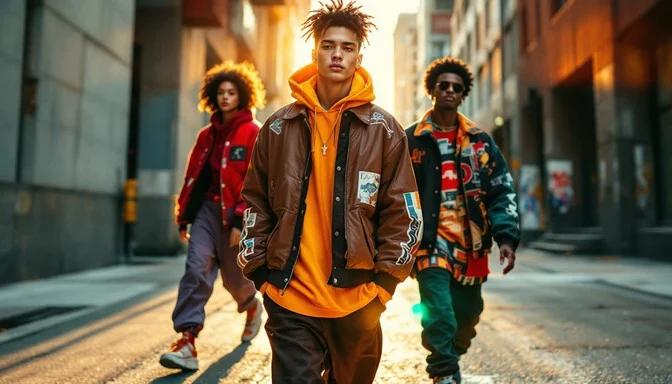
Urban Fashion Trends for Contemporary Streetwear Looks
The best street outfits no longer look like someone tried to win the sidewalk. They look lived in, edited, and built for the real pace of American city life. That is why urban fashion trends matter now: they help you dress with presence without turning every outfit into a costume. The strongest looks in New York, Los Angeles, Chicago, Atlanta, and Miami share the same quiet rule: comfort gets the first vote, but shape, texture, and attitude decide the final result. For readers tracking culture, media, and brand visibility, streetwear culture coverage has become part of how style stories move from local blocks to national attention. The point is not to copy what everyone else wears. The point is to understand why certain pieces keep showing up, then make them work for your own day.
Urban Fashion Trends Start With Shape, Not Logos
A strong streetwear outfit begins before color, brand, or price enters the conversation. Shape does the first bit of talking. A boxy jacket, relaxed denim, wide cargo pant, cropped tee, long coat, or oversized hoodie changes the whole mood before anyone notices the label.
Why oversized streetwear outfits still work
Oversized streetwear outfits keep working because they give the body room and the outfit presence. The mistake comes when every piece is loose at once. A huge hoodie with baggy jeans can look flat unless one part has structure, weight, or a clean break at the shoe.
A better formula is simple: big top, controlled bottom, or relaxed bottom with a sharper jacket. In a city like Chicago, that might mean a heavyweight hoodie under a cropped work jacket with straight denim. In Los Angeles, it may be a wide tee over nylon pants with low-profile sneakers.
The counterintuitive part is that oversized clothing often needs more control, not less. The more fabric you wear, the more the edges matter. Sleeves, hems, cuffs, and collars decide whether the outfit looks styled or swallowed.
How relaxed denim shapes city fashion outfits
Relaxed denim has moved from a casual backup piece to the anchor of city fashion outfits. Vogue’s 2026 denim coverage points to baggy, bootcut, low-rise, and other wider denim shapes as major seasonal directions, which fits what streetwear has already been doing for years.
The best denim does not scream for attention. It gives your sneakers, jacket, and accessories a base that feels easy. A faded straight-leg jean with a cropped bomber can feel sharper than a loud designer piece because the proportions do the work.
Jorts and longer denim shorts have also returned with more polish than the old backyard version. Good Housekeeping noted the rise of tailored jorts with pleats and cleaner hems in 2026, which makes them easier to wear with loafers, button-ups, and city sneakers.
Contemporary Streetwear Looks Are Built Around Daily Movement
Contemporary streetwear looks succeed when they respect how people actually move through a day. A good outfit has to handle the train, the office lobby, the coffee run, the walk home, and the last-minute dinner invite. That pressure is what makes modern streetwear smarter than people give it credit for.
Why utility details feel natural in USA street style
USA street style has always borrowed from workwear, sportswear, skate clothing, and military surplus. That mix makes sense because American cities reward clothes that can take a beating. A zip pocket, ripstop fabric, cargo panel, or adjustable hem is not decoration when you are carrying keys, earbuds, lip balm, and a dead phone charger.
Windbreakers show this shift clearly. Recent 2026 style coverage has pointed to windbreakers as a visible spring trend, with oversized fits, retro sports references, and lightweight utility driving their return.
A nylon jacket over a white tee and loose jeans can look better than a complicated layered outfit because it feels honest. It says you checked the weather, cared about the silhouette, and still left the house with room to breathe.
How modern casual outfits avoid looking lazy
Modern casual outfits fall apart when comfort becomes the only idea. Sweatpants, hoodies, tees, and sneakers can look sharp, but only when the outfit has contrast. Soft fabric needs one firm element. A loose shape needs one clean line.
A simple black hoodie, gray wide-leg sweatpants, and beat-up sneakers can work if the hoodie has weight and the pants stack cleanly. Add a structured cap or leather crossbody bag, and the outfit suddenly has intention. Same clothes, different message.
The trick is not dressing up casual pieces. The trick is choosing casual pieces that already have a point of view. Heavy cotton, clean seams, washed color, and proper length do more for modern casual outfits than a loud graphic slapped across the chest.
Footwear Decides the Mood Faster Than Any Jacket
Shoes carry streetwear because they touch both movement and identity. You can wear the same pants and hoodie with four different shoes and create four different lives. That is why sneaker choice still matters, even when the rest of the outfit looks quiet.
Why slim sneakers and skate shapes are both winning
Sneaker trends have split in a useful way. Vogue’s 2026 sneaker trend reporting highlights slim runners, nostalgic white plimsolls, and skater-inspired slip-ons as styles gaining attention, which explains why sidewalks now show both narrow shoes and chunkier skate shapes at the same time.
Slim sneakers make wide pants look more intentional because they create contrast at the ankle. Skate shoes do the opposite. They add weight, attitude, and a low-slung feel that works with loose denim or cargos.
Neither option is automatically better. A narrow runner gives a cleaner look for daytime errands or a casual office. A skate shoe gives more grit for night plans, music events, or outfits that need a little dirt under the fingernails.
How footwear changes contemporary streetwear looks
Contemporary streetwear looks often fail at the shoe because people pick sneakers by hype instead of proportion. A rare sneaker can still ruin the outfit if the pant opening fights it. A plain shoe can look expensive if the shape lands cleanly.
Light-wash denim with metallic shoes has also appeared in recent 2026 fashion coverage, showing how faded denim can feel more polished when the footwear adds shine instead of another casual texture.
That idea works beyond heels. Silver sneakers, patent loafers, glossy boots, and clean leather trainers can all push denim into sharper territory. The streetwear lesson is clear: the shoe does not need to match the outfit. It needs to finish the sentence.
Personal Styling Beats Trend Copying Every Time
A trend only matters if it survives your own closet. The best-dressed people in American cities are not the ones wearing the newest item first. They are the ones who know which trend belongs on their body, in their routine, and inside their budget.
How to make city fashion outfits feel personal
City fashion outfits get better when you repeat a signature. That might be one color, one sneaker shape, one jacket cut, or one accessory you wear until it feels like yours. Repetition is not boring when the base is strong. It becomes identity.
A person in Atlanta might build around vintage sports jackets and dark denim. Someone in Brooklyn might lean into washed black layers, canvas sneakers, and small silver jewelry. In Phoenix, the same streetwear instinct may show up through light cargos, mesh tops, and sun-faded caps.
Personal style grows when you stop asking whether a piece is trendy and start asking whether it solves something. Does it make your proportions better? Does it fit your climate? Does it work with five things you already own? If not, the trend can pass you by without costing you a dollar.
Why USA street style rewards restraint
USA street style has a loud side, but the strongest outfits often hold something back. A graphic tee works better under a plain jacket. Bright sneakers work better with quiet pants. A bold accessory lands harder when the rest of the outfit gives it space.
That restraint matters because modern streetwear already carries many references. Skate, hip-hop, basketball, workwear, luxury fashion, vintage sportswear, and thrift culture all sit in the same room. Wear every reference at once and the outfit starts arguing with itself.
The smarter move is editing. Pick one main character and let the other pieces support it. A washed varsity jacket, clean tee, relaxed trouser, and low sneaker will usually beat a pile of statement pieces trying to win the same argument.
Conclusion
Style is moving toward clothes that can handle real life and still carry a point of view. That is good news for anyone tired of outfits that look better online than they feel on the street. The next wave of Urban Fashion Trends will not be about owning more pieces. It will be about choosing sharper shapes, better textures, cleaner shoes, and details that match the way you actually move through your city.
Start with one honest audit. Pull out the pieces you wear most, then ask what they are missing: shape, edge, polish, comfort, or personality. Add from there, not from panic. A better streetwear wardrobe does not need a full reset. It needs a stronger point of view and the discipline to leave the wrong trend alone. Build outfits that can walk ten blocks, take a photo well, and still feel like you when the day gets messy.
Frequently Asked Questions
What are the best urban streetwear outfit ideas for everyday wear?
Start with relaxed denim, a heavyweight tee, clean sneakers, and one structured layer like a bomber, overshirt, or cropped jacket. Keep the colors controlled and let the shape carry the look. Everyday streetwear works best when it feels easy but not careless.
How can I style oversized streetwear outfits without looking sloppy?
Balance one oversized piece with one cleaner shape. Pair a wide hoodie with straight-leg jeans, or loose cargos with a cropped jacket. The outfit needs visible edges, so pay attention to sleeve length, pant break, collar shape, and shoe size.
What shoes work best with contemporary streetwear looks?
Slim runners, skate shoes, retro basketball sneakers, loafers, and clean leather trainers all work. The right choice depends on the pant shape. Wider pants usually need either a low-profile shoe for contrast or a heavier sneaker for balance.
How do I build modern casual outfits for city life?
Choose pieces that feel comfortable but still have structure. Heavy cotton tees, relaxed trousers, clean hoodies, nylon jackets, and simple sneakers make a strong base. Add one accessory, such as a cap, watch, tote, or crossbody bag, to finish the outfit.
What colors are easiest for USA street style outfits?
Black, gray, navy, cream, olive, brown, faded blue, and white are the easiest base colors. They mix well and make layering simple. Add color through one piece at a time, such as sneakers, a jacket, a cap, or a graphic tee.
Are baggy jeans still good for city fashion outfits?
Baggy jeans still work when they have shape. Choose denim that sits well at the waist, falls cleanly through the leg, and stacks without dragging. Pair them with cropped jackets, fitted tanks, boxy tees, or simple sneakers for a cleaner result.
How can women style streetwear without losing polish?
Mix relaxed pieces with sharper details. Try loose denim with a fitted top, a bomber over a slip skirt, or cargos with sleek sneakers and jewelry. Polish often comes from contrast, not from dressing up every part of the outfit.
What is the easiest way to update a streetwear wardrobe?
Change the silhouette first. Swap skinny jeans for straight or relaxed denim, replace thin tees with heavier cotton, and add one jacket with structure. A new shape can make old sneakers, hoodies, and accessories feel current again.