Rental Pricing Strategies for Better Monthly Returns
A rental price can look perfect on paper and still lose money in real life. The strongest landlords know that Rental Pricing Strategies are not about charging the highest number the market might tolerate; they are about finding the number that keeps income steady, vacancies low, and tenants serious. Across the USA, one poorly priced unit can sit empty through an entire leasing season while a similar home down the street gets signed in a weekend.
That gap rarely comes from luck. It comes from reading the local rental market with clear eyes instead of guessing from old listings, wishful Zillow estimates, or what a neighbor claims they charge. Landlords who treat pricing like a live business decision usually protect their real estate growth plans better than those who set rent once and forget it.
Monthly Returns Improve When Price Matches Real Demand
Rent works like a pressure gauge. Push it too high, and qualified renters step away. Set it too low, and your property cash flow suffers before the lease even begins. The smart move is not chasing the biggest possible rent; it is choosing the price that matches what serious tenants are ready to pay now.
Reading Rent Comparables Without Copying Them Blindly
Strong rent comparables give you a starting point, not a final answer. A two-bedroom duplex in Dallas may look similar to another one five blocks away, yet school boundaries, parking, finishes, noise, and commute routes can change what tenants will pay. Copying another landlord’s number without studying those details is lazy pricing.
A better method is to compare only properties that compete with yours in the same tenant’s mind. If your unit has in-unit laundry, covered parking, and newer flooring, it does not belong in the same pricing lane as an older unit with shared laundry and street parking. The tenant sees those differences fast.
Good landlords also study how long each comparable has been listed. A $2,200 apartment sitting for 45 days may not prove the area supports $2,200. It may prove the owner is stubborn. A $2,075 unit leased in six days may tell you far more about the working price range.
Why Tenant Demand Beats Owner Opinion
Owner opinion often inflates rent because the landlord remembers every repair bill, tax hike, and late-night maintenance call. Tenants do not price a unit based on your stress. They compare it against other homes they can move into this month.
Tenant demand shows up through inquiries, tour requests, application quality, and speed. If a listing receives heavy clicks but few messages, the photos or price may be off. If many people tour but nobody applies, the unit may feel weaker in person than it looked online.
A Phoenix landlord with a clean three-bedroom home might believe $2,600 is fair because mortgage costs rose. But if nearby homes with fenced yards and newer kitchens rent for $2,425, the market has already spoken. The counterintuitive truth is simple: a slightly lower rent can produce higher annual income when it prevents long vacancy gaps.
Vacancy Costs Can Quietly Destroy Strong Rent Numbers
A high rent number feels good until the unit sits empty. Vacancy is the silent tax landlords underestimate because it does not arrive as a bill. It arrives as missing income, extra cleaning, repeated showings, unpaid utilities, and another month of mortgage pressure.
Calculating the True Cost of Empty Days
Empty days are not neutral. A property priced at $2,000 per month loses about $67 every day it stays vacant. A 30-day delay wipes out $2,000 before the lease starts, and that loss may take a full year to recover through a slightly higher rent.
This is where many owners fool themselves. They think, “I only need one tenant.” That is true, but the timeline matters. Waiting six weeks for a tenant at $2,100 may earn less than signing a qualified tenant at $2,000 within one week.
Real pricing includes the full leasing math. Cleaning fees, lawn care, utilities, ads, lockbox time, and missed rent all belong in the same calculation. A rent increase that creates more vacancy may look bold but act weak.
Using Seasonal Timing to Protect Property Cash Flow
Seasonality affects property cash flow more than many owners expect. In much of the USA, spring and summer bring more renters because families move between school years, graduates relocate, and job changes happen after annual planning cycles. Winter can be slower, especially in colder markets.
A Chicago landlord listing a family rental in June may have room to test a stronger price. The same property listed in late December may need sharper pricing to attract action. The property did not lose value; the timing changed the tenant pool.
Seasonal pricing does not mean panic discounting. It means reading the moment. If demand is thin, a fair price plus a clean move-in experience can beat a higher price with weeks of silence. Sometimes the best rent is the one that gets a dependable lease signed before the slow season deepens.
Smart Pricing Starts Before the Listing Goes Live
The best price is rarely created on listing day. It starts weeks earlier, when you decide what condition the home will present, what tenant profile it fits, and which features deserve to be shown clearly. Pricing fails when landlords treat photos, repairs, and rent as separate decisions.
Matching Upgrades to the Local Rental Market
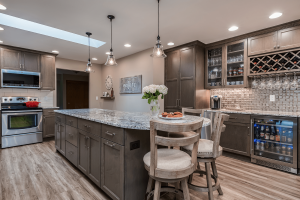
The local rental market decides which upgrades matter. Granite counters may help in one neighborhood, while secure parking matters more in another. A landlord who spends money on the wrong improvement may raise the rent in their head, but not in the tenant’s mind.
A small example says plenty. In a suburban Florida rental, fresh interior paint, working ceiling fans, and a clean screened patio may support stronger rent better than expensive smart-home gadgets. Tenants shopping in that area may care more about comfort, shade, and lower hassle than flashy features.
This is why pricing should follow tenant value, not owner spending. A $4,000 repair does not automatically support a $200 rent increase. If the upgrade removes a problem tenants hate, it may help. If it only satisfies the owner’s taste, it may not move the market.
How Photos and Listing Language Change Perceived Value
Photos can raise or lower perceived value before a renter reads one full sentence. Dark rooms, crooked angles, clutter, and closed blinds make a clean property feel tired. Bright, honest photos help tenants understand space, flow, and condition.
Listing language matters too. “Nice house near everything” says almost nothing. “Three-bedroom home with fenced backyard, attached garage, updated flooring, and quick access to I-35” gives renters facts they can act on.
Better presentation can support stronger pricing because it reduces uncertainty. Tenants pay faster when they trust what they see. The surprising part is that good marketing may not increase the true value of the home, but it can reveal value that poor marketing hides.
Renewal Pricing Requires More Care Than New Lease Pricing
New listings get attention, but renewals often decide long-term returns. A good tenant already in place saves marketing time, turnover costs, cleaning, repairs, and vacancy risk. Raising rent without weighing those savings can turn a stable asset into a fresh problem.
When a Smaller Increase Wins Bigger
A smaller renewal increase can beat a larger one when the tenant is reliable. If a tenant pays on time, keeps the home clean, reports repairs early, and causes no neighbor trouble, that behavior has financial value. It reduces risk every month.
Consider a landlord in Ohio charging $1,650 for a townhome. The market may support $1,750, but a jump that pushes a good tenant out could trigger repainting, cleaning, a month of vacancy, and new screening risk. A move to $1,700 may protect income better.
This does not mean landlords should fear rent increases. It means increases should respect both market movement and tenant quality. A bad tenant at top rent can be more expensive than a good tenant slightly under market.
Explaining Increases Without Starting a Fight
Rent increases land better when they feel grounded, not random. Tenants may not love paying more, but many understand rising taxes, insurance, repairs, and market movement when the message is clear and calm.
A strong renewal notice avoids drama. It states the new rent, the start date, and any value the tenant receives, such as continued maintenance response, included services, or recent improvements. It does not apologize for running a business, and it does not sound cold.
Tone matters because renewals are partly emotional. A tenant who feels blindsided may start browsing immediately. A tenant who receives fair notice and a reasonable explanation may stay, even with an increase. The rent number matters, but the delivery can decide whether the lease survives.
Data Helps, But Judgment Still Sets the Final Rent
Pricing tools can help landlords move faster, but they cannot replace judgment. Algorithms miss smell, street noise, awkward layouts, weak natural light, neighbor behavior, and the feel of a block after dark. Those details shape tenant decisions every day.
Why Online Estimates Need Human Correction
Online rent estimates often pull from broad data. They may compare your property with units that are nearby but not truly similar. In dense cities, one block can change rental value. In rural areas, a few miles can separate two completely different tenant pools.
A rental estimate might suggest $1,900 for a Nashville unit because nearby listings show that range. But if your unit faces a loud road, lacks laundry, and has older windows, that estimate may overstate the real price. The opposite can happen when a tool misses a private yard, storage space, or fresh renovation.
Data gives you a map. You still have to walk the ground. The best landlords use tools to narrow the range, then use calls, showings, feedback, and local knowledge to choose the number.
Testing Price Without Looking Desperate
Testing price is not failure. It is part of managing an asset. The mistake is waiting too long to adjust when the market gives a clear answer.
A practical rule helps: if a listing gets strong views but weak inquiries after several days, the price may be too high or the lead photo may be weak. If inquiries are strong but tours do not convert, the home may not match the listing promise. If applications come from unqualified renters only, the price may be attracting the wrong pool.
Smart owners make measured changes. They do not slash rent in panic after three quiet days. They also do not defend a stale price for six weeks. Rental Pricing Strategies work best when you treat feedback as information, not criticism.
Frequently Asked Questions
How do landlords choose the right rental price for a property?
Start with close rent comparables, then adjust for condition, location, parking, layout, appliances, outdoor space, and lease timing. The right price should attract qualified renters within a reasonable period while protecting income after vacancy and turnover costs.
How often should rent be reviewed on a rental property?
Rent should be reviewed at every renewal and before each new listing. Many landlords also check the market every six months so they are not surprised by tax changes, insurance increases, local demand shifts, or new competing rentals nearby.
What happens if rent is priced too high?
Overpricing usually causes longer vacancy, fewer qualified inquiries, weaker applications, and more pressure to accept risky tenants later. A high monthly number means little if the property sits empty long enough to erase the gain.
Is it better to raise rent every year or wait longer?
Smaller annual increases often feel more manageable for good tenants than one large jump after several years. This approach keeps rent closer to market while reducing the shock that can push reliable renters to move out.
How much below market rent should a good tenant pay?
There is no fixed number, but a small gap can make sense when the tenant pays on time, cares for the home, and reduces turnover risk. The savings from avoiding vacancy may outweigh the extra rent you could chase.
Do upgrades always justify higher rent?
Upgrades support higher rent only when tenants in that market value them. Fresh paint, clean flooring, laundry access, parking, and energy savings often matter more than expensive design choices that look nice but do not solve renter problems.
How can I test rent price before lowering it?
Watch listing views, inquiries, tour requests, and application quality. If views are high but messages are low, adjust the price or improve the lead photo. If tours happen but applications do not, the property may not match expectations.
What is the biggest rental pricing mistake landlords make?
The biggest mistake is pricing from personal expenses instead of tenant demand. Mortgage costs, repairs, and taxes matter to your business, but renters compare your property with other available homes, not with your ownership costs.