Windscreen & Glass Replacement
In the world of automotive maintenance, some services seem straightforward on the surface yet are incredibly vital underneath. One such service is windscreen and glass replacement. It’s more than fixing a crack it’s about restoring visibility, maintaining structural integrity, and ensuring that the vehicle remains compliant with safety regulations. With technological advancements and design evolutions in modern cars, replacing automotive glass has become both a science and a skill.
Whether it’s due to a rogue pebble on the motorway or an unfortunate collision, damaged vehicle glass is an issue that every driver is likely to face at some point. However, not all replacements are created equal. Today’s vehicle glass is intertwined with safety features, sensors, and driving aids that demand precise handling, calibration, and expertise.
This article explores the critical nature of professional vehicle glass services, the growing complexity of modern windscreen systems, and why relying on expert repair and replacement is essential for road safety and vehicle performance.
The Role of Vehicle Glass in Modern Cars
Glass components in vehicles serve more than just aesthetic or visibility purposes. The windscreen, for example, is a load-bearing structure. In the event of a rollover, it helps prevent the roof from collapsing and supports proper airbag deployment. Side and rear windows also play a role in structural stability, ventilation, and occupant safety.
Automotive glass is engineered to absorb impact, resist shattering, and protect against environmental exposure. Laminated glass used in windscreens features two layers of glass with a plastic interlayer that holds the pane together upon impact. Tempered glass typically found in side and rear windows shatters into blunt pieces to reduce injury risk.
More recently, the evolution of driver-assist features like automatic emergency braking (AEB), adaptive cruise control, lane departure warnings, and rain sensors has embedded advanced technology directly into or around the glass.
When Does a Windscreen Need Replacing?
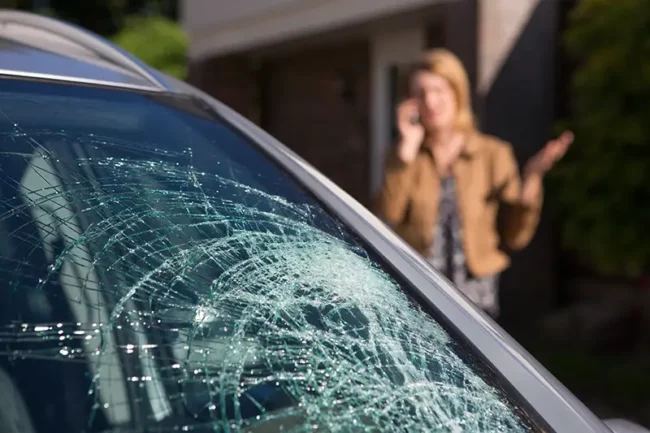
Not all chips or cracks call for full replacement. Minor damage, especially if it is smaller than a coin and located away from the driver’s line of vision, may be repairable using resin injection techniques. However, certain scenarios call for complete replacement:
- Cracks longer than a few centimetres
- Damage in the driver’s direct line of sight
- Edge cracks, which compromise glass stability
- Chips that have started to spread
- Glass delamination or discoloration
- Embedded sensor damage
In colder months, small cracks can expand rapidly due to temperature fluctuations. A sudden blast of heat on a cold windscreen such as from defrosters can accelerate the damage, leading to irreparable conditions.
The Process of Professional Replacement
Replacing a windscreen or any other glass component is a multi-step process that demands precision. First, the technician assesses the damage to confirm that replacement is required. Once confirmed, the old glass is carefully removed without damaging the surrounding trim or vehicle body.
The adhesive used in bonding modern windscreens is typically urethane, which creates a watertight and structurally sound seal. The new windscreen must be installed using precise alignment tools to ensure that embedded sensors, cameras, or heating elements function correctly.
After the replacement, vehicles equipped with Advanced Driver Assistance Systems (ADAS) must undergo recalibration to ensure the systems recognise road conditions and distances accurately. Skipping this step can lead to delayed braking, incorrect lane detection, and other safety risks.
Glass Replacement and ADAS Technology
One of the most critical reasons to choose professional service over a quick fix is the involvement of ADAS features. These include:
- Lane departure cameras mounted on the windscreen
- Rain sensors for automatic wipers
- Light sensors for automatic headlamps
- Thermal glass for climate control regulation
- Heads-up displays that project onto the windscreen
Replacing or adjusting the windscreen even slightly without recalibrating the system can lead to dangerous misreadings. For instance, a misaligned lane detection camera could interpret curves incorrectly, or an improperly placed rain sensor might fail to activate the wipers in time.
A well-equipped workshop will have the tools and expertise to perform both static and dynamic recalibration. Static involves calibrating sensors while the vehicle is stationary using precise targets, while dynamic calibration involves road testing the sensors under driving conditions.
Side and Rear Window Replacement
Though less technologically integrated, side and rear windows still require careful handling. Rear windows may feature embedded heating elements and aerials. Incorrect removal can damage electrical connections or scratch paintwork.
Most side windows are tempered glass, which shatters completely on impact. Replacement involves cleaning all shards from the door panel, replacing window guides, and ensuring proper alignment with window regulators.
Some vehicles feature solar-reflective or acoustic glass for side windows, improving insulation and soundproofing. Matching these specifications is important for consistent cabin experience and vehicle value.
Environmental and Legal Considerations
In many regions, driving with a damaged windscreen or window is not just unsafe it’s illegal. Fines or MOT failures can result from poor visibility, large cracks, or obstructed sensor operation.
From an environmental perspective, many glass service providers now offer recycling for old windscreens, reducing the volume of laminated glass waste going to landfill. Eco-conscious adhesives and water-based primers are also gaining popularity to reduce volatile organic compound (VOC) emissions during installation.
Insurance coverage often includes glass claims without affecting no-claim bonuses, especially when policyholders opt for approved repair centres. Still, documentation, part authenticity, and warranty terms must be verified before proceeding.
Mobile vs. Workshop-Based Services
Mobile windscreen services have grown in popularity, offering on-site convenience for minor repairs and standard replacements. However, vehicles requiring ADAS recalibration, advanced sealing, or dealing with structural damage are better served in a controlled workshop setting.
Factors such as weather, temperature, and surface angle can affect curing time and alignment when glass is replaced outdoors. While mobile services work well for basic jobs, workshop installations offer access to full calibration rigs, bonding jigs, and curing chambers.
Innovations in Vehicle Glass Technology
Glass is no longer just a barrier between occupants and the outside world it’s becoming an interface. Some of the latest trends in vehicle glass include:
- Electrochromic glass: Adjusts tint based on light or button controls.
- Heated windshields: Eliminate the need for scraping frost.
- Infrared-reflective coatings: Keep interiors cooler by deflecting heat.
- Augmented reality displays: Show navigation and safety data directly on the screen.
- Acoustic laminated glass: Reduces road noise significantly.
These innovations enhance driving comfort but also raise the bar for service technicians, who must be trained and equipped to handle such features during replacement.
Ensuring Long-Term Durability
Post-installation care plays a role in ensuring the longevity of newly replaced glass. For the first 24–48 hours after fitting, it’s advised to:
- Avoid car washes and pressure washing
- Keep windows slightly open to prevent pressure build-up
- Refrain from slamming doors
- Park on flat surfaces to prevent flex
Quality replacement also depends on the materials used. OEM (Original Equipment Manufacturer) glass ensures the closest match to the original, while aftermarket glass can vary in fit and clarity. Professional installers help guide customers through these options based on their budget and requirements.
Choosing the Right Glass Technician
When selecting a service provider for windscreen & glass replacement, experience matters. Look for technicians certified in ADAS calibration, familiar with modern vehicle electronics, and capable of delivering OEM-standard installation.
Word-of-mouth, online reviews, and insurance recommendations can all point toward reliable service providers. A warranty on both the glass and the workmanship is also a sign of a professional operation.
Ultimately, windscreen and glass services aren’t just about fixing what’s broken they’re about protecting what matters. Clear visibility, structural integrity, and system functionality all depend on the skill behind the service.