How a Buddhist Temple Can Help You Find Inner Peace and Calm
In today’s fast-paced world, finding moments of calm and inner peace can feel challenging. Many people experience stress, anxiety, and a constant rush in their daily lives. One place that offers a sense of tranquility and spiritual guidance is a Buddhist temple. Visiting a Buddhist temple can help you slow down, reflect, and reconnect with yourself in a meaningful way.
The Role of a Buddhist Temple in Promoting Peace
A Buddhist temple is not just a place of worship; it is a sanctuary designed to foster calmness and mindfulness. The serene environment, often surrounded by nature or quiet spaces, encourages visitors to leave behind the noise of everyday life. The architecture, statues, and sacred symbols are carefully designed to create a peaceful atmosphere that naturally promotes relaxation and reflection. Being in such an environment can help individuals feel grounded and more connected to the present moment.
Meditation Practices for Inner Calm
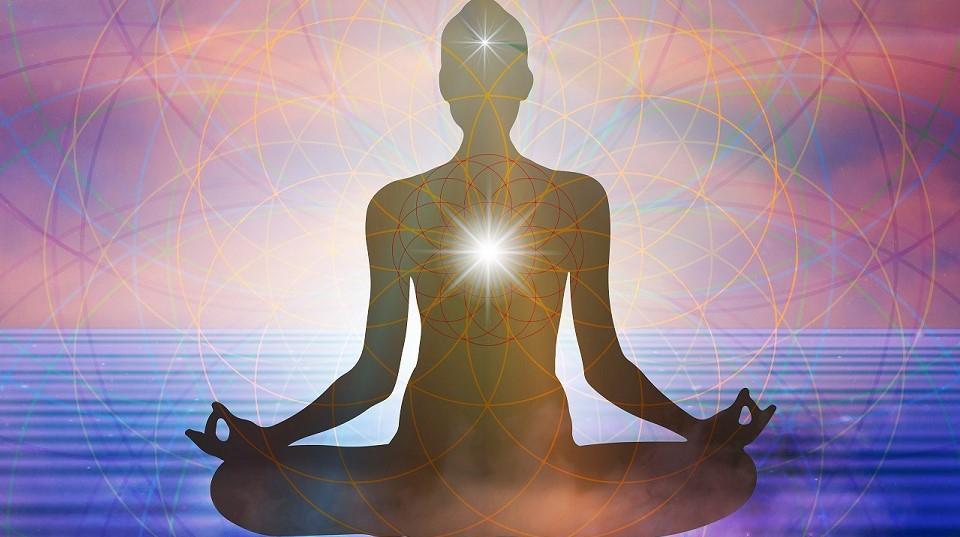
One of the central practices in a Buddhist temple is meditation. Temples offer guided meditation sessions that teach techniques to focus the mind, reduce stress, and cultivate inner peace. Through regular meditation, visitors can learn to observe their thoughts without judgment, creating a sense of clarity and emotional balance. Meditation in the calm and structured setting of a Buddhist temple allows for a deeper, more focused practice than what is often possible at home.
Learning from Buddhist Teachings
Buddhist temples often provide teachings or Dharma talks that guide individuals on the path to inner peace. These teachings focus on understanding the mind, embracing compassion, and letting go of negative emotions. By listening to these lessons, you can gain insights into how to manage stress, respond thoughtfully to challenges, and nurture a more balanced life. The wisdom shared in a Buddhist temple encourages self-awareness and personal growth, supporting long-term emotional and spiritual wellbeing.
Participating in Community Activities
Many Buddhist temples offer community activities such as chanting, mindful walking, or volunteer programs. Participating in these activities can foster a sense of belonging and reduce feelings of isolation. Being part of a supportive community that shares similar goals of mindfulness and compassion can strengthen your emotional resilience and deepen your sense of inner calm.
Mindful Reflection and Self-Discovery
Spending time at a Buddhist temple also provides opportunities for personal reflection. The quiet environment and meditative practices encourage introspection, helping you understand your thoughts and emotions more clearly. This mindful reflection can reveal patterns of stress or negativity, allowing you to consciously release them and cultivate more positive mental habits. Over time, these practices contribute to a profound sense of inner peace and contentment.
Integrating Temple Practices into Daily Life
Visiting a Buddhist temple can be the beginning of a lifelong journey toward calmness and self-awareness. The meditation techniques, teachings, and mindful practices learned at the temple can be integrated into daily life. Simple practices such as short meditation sessions, mindful breathing, or acts of compassion can bring moments of peace into your routine, helping you navigate life with greater clarity and serenity.
Conclusion
A Buddhist temple provides more than just a spiritual space; it offers a pathway to inner peace and emotional wellbeing. Through meditation, teachings, community participation, and mindful reflection, individuals can cultivate calmness, self-awareness, and resilience. Visiting a Buddhist temple allows you to step away from daily stress, reconnect with your inner self, and embrace a more peaceful and balanced life. Whether you attend regularly or occasionally, the serene environment and practices of a Buddhist temple can be powerful tools for finding lasting inner calm.