
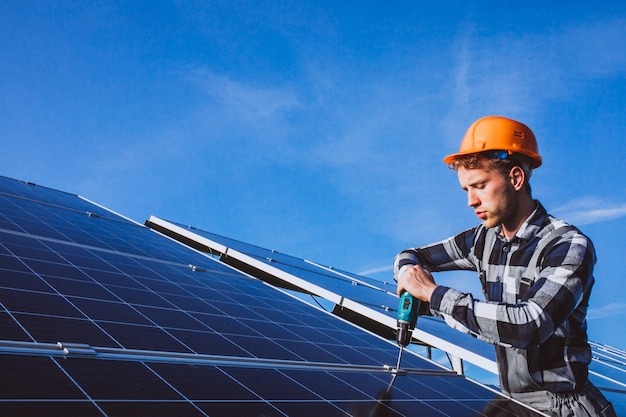
Choosing the Right Solar Panel System for Your Needs
As the demand for renewable energy continues to rise, more homeowners and businesses are considering solar power as a viable energy solution. However, selecting the right solar panel system tailored to your specific needs can be daunting. Engaging experienced solar panel installers is a crucial part of the process, as they can guide you through the various options available and ensure a successful installation. Here’s a comprehensive guide to help you make an informed choice.
Assessing Your Energy Needs
The first step in choosing the right solar panel system is to assess your energy needs. Understanding your current energy consumption will help determine the size and capacity of the solar panel system required. Review your electricity bills from the past year to get an accurate picture of your average usage.
This data is vital for solar panel installers, who will calculate the necessary wattage and number of panels to cover your energy demands effectively. Knowing your energy profile allows solar panel installers to design a system that works best for you.
Types of Solar Panel Systems
When selecting a solar panel system, it’s important to understand the available types. Generally, there are three main types: grid-tied, off-grid, and hybrid systems. Grid-tied systems are connected to the utility grid and allow you to sell excess energy back to the grid, making them popular for many homeowners.
Off-grid systems operate independently of the grid, providing complete energy autonomy but requiring battery backup for storage. Hybrid systems combine both approaches, offering flexibility and backup options. Consulting with solar panel installers can help you decide which system type aligns with your lifestyle and energy goals.
Evaluating Solar Panel Efficiency
The efficiency of solar panels plays a significant role in determining their overall performance. Higher efficiency solar panels convert a larger percentage of sunlight into usable energy, requiring less space for installation.
When evaluating different panel options, check the efficiency ratings and consider your available roof or ground space. Homeowners with limited space may benefit from high-efficiency panels, while those with ample space can opt for less efficient, cost-effective options.
Understanding Costs and Financial Incentives
Budget is a key factor in choosing the right solar panel system. Beyond the initial investment, consider additional costs such as installation, maintenance, and potential upgrades. Solar panel installers can provide accurate quotes and help you explore financing options to determine what fits your budget.
Additionally, many regions offer financial incentives, including tax credits, rebates, and grants that can significantly reduce overall costs. Researching these opportunities in conjunction with your solar panel installers can maximize your investment in solar energy.
Choosing a Reputable Installer
Selecting the right solar panel installers is vital for the successful implementation of your solar system. Look for installers with experience, positive customer reviews, and relevant certifications.
These professionals should provide comprehensive consultations and be open to answering any questions. A trustworthy installer will also handle all necessary permits and inspections, ensuring that your solar panel system meets local regulations.
Conclusion
In conclusion, choosing the right solar panel system for your needs involves a careful assessment of your energy requirements, understanding system types, evaluating efficiency, and considering costs.
Collaborating with seasoned solar panel installers can simplify this process, enabling you to make informed decisions that align with your goals. With the right system in place, you can tap into the benefits of solar energy, reducing your carbon footprint while enjoying long-term cost savings.


