Rental Property Upgrades for Higher Tenant Satisfaction
A tenant can feel the difference between a cared-for home and a neglected one within five minutes. The paint, locks, lighting, storage, outlets, and even the way a kitchen drawer slides all send a message. Smart Rental Property Upgrades are not about showing off or wasting money on fancy finishes that look better in photos than they feel in daily life. They are about removing small frustrations before those frustrations become complaints, vacancies, or bad reviews.
Across the USA, renters are paying close attention to value. Higher rent, tighter budgets, and stronger competition have changed what tenants expect from a rental home. They want comfort, safety, clean function, and a landlord who seems alert rather than absent. That is where thoughtful planning matters. Property owners who study local renter behavior through trusted housing and business resources like local market visibility strategies tend to make better choices because they stop guessing and start noticing what tenants actually reward.
Better upgrades do not always cost the most. They simply solve the right problems.
Rental Property Upgrades That Improve Daily Comfort
Comfort is where tenant satisfaction begins because tenants experience it every morning and every night. A beautiful listing may win the showing, but daily comfort decides whether someone renews the lease. Small property improvements often carry more weight than dramatic remodels because tenants touch them, hear them, and live with them every day.
Why flooring, paint, and lighting change how renters feel
Flooring takes more abuse than almost anything else in a rental home. Carpet can feel warm at first, but in many American rental markets, it ages fast, traps odors, and makes turnover harder. Durable vinyl plank, tile in wet areas, or well-maintained hardwood can make a unit feel cleaner without giving the owner a maintenance headache every time a tenant moves out.
Paint works the same way. Tenants rarely talk about paint when it is good, but they notice it fast when it is bad. Scuffed walls, mismatched patches, and dull colors make a unit feel tired even when the appliances still work. A warm neutral paint scheme gives the space a fresh reset without forcing a strong design opinion onto the renter.
Lighting may be the most underrated comfort upgrade. A dim kitchen or shadowy hallway makes a home feel older than it is. Brighter LED fixtures, under-cabinet lights, and clean ceiling fans can change the mood of a unit without tearing into walls. Good lighting tells tenants the place was prepared with care, not patched together between leases.
How better climate control reduces everyday friction
Heating and cooling shape a tenant’s mood more than landlords sometimes admit. A rental can look polished during a tour, but if the bedroom runs too hot in July or the living room stays cold in January, the tenant feels cheated. In many USA markets, comfort means stable temperature without shocking utility bills.
A programmable thermostat is a simple rental upgrade that gives tenants control. It feels modern, saves energy, and reduces the constant back-and-forth over comfort complaints. Weatherstripping, better door sweeps, attic insulation, and sealed window gaps can also improve the living experience without a major renovation.
The counterintuitive part is that tenants may appreciate invisible upgrades more than flashy ones. They may not point at air sealing and say, “This is why I renewed.” But they feel it when the home stays comfortable and the electric bill does not sting. That quiet relief becomes tenant retention.
Kitchen and Bathroom Improvements Tenants Notice First
Once comfort feels handled, tenants judge the rooms that carry the most daily pressure. Kitchens and bathrooms expose weak maintenance fast. A dripping faucet, warped cabinet door, stained caulk line, or weak bathroom fan can make the whole property feel poorly managed, even when the rest of the unit is solid.
Which kitchen upgrades deliver the best tenant response?
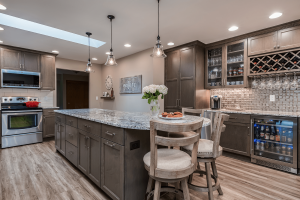
Kitchens do not need luxury finishes to satisfy renters. They need clean surfaces, reliable appliances, enough storage, and fixtures that do not feel cheap in the hand. Replacing broken cabinet hardware, adding a deep sink, installing a pull-down faucet, or upgrading old countertops can shift a kitchen from “usable” to “pleasant.”
Appliance choices deserve discipline. Stainless steel can help in competitive markets, but reliability matters more than shine. A solid refrigerator, smooth electric range, and quiet dishwasher create fewer complaints than trendy models with parts that cost too much to replace. Tenants want equipment that works on a Tuesday night after work.
Storage can carry surprising value. Extra shelving in a pantry, drawer organizers, and better cabinet layout make a kitchen feel larger without adding square footage. Property improvements that reduce clutter often feel personal to tenants because they improve the way the home functions, not just how it photographs.
What bathroom fixes make a rental feel cleaner?
Bathrooms carry emotional weight because cleanliness feels non-negotiable there. Old caulk, weak ventilation, stained grout, rusty drains, and loose towel bars make tenants question the entire home. The fix often costs less than the damage caused by ignoring it.
A strong bathroom fan protects both the tenant and the property. It reduces moisture, helps prevent mildew, and keeps the room fresher after daily use. In humid states, older buildings, and small apartments, that one upgrade can prevent a cycle of complaints that never fully disappears.
Fixtures matter because tenants use them constantly. A modern vanity faucet, water-saving showerhead, clean mirror, and sturdy toilet seat can make the bathroom feel renewed without a full remodel. Good rental upgrades in bathrooms should aim for one feeling: clean, solid, and easy to maintain.
Safety, Security, and Convenience Features That Build Trust
A tenant may enjoy a fresh kitchen, but trust keeps them settled. Safety and convenience upgrades send a clear message: the property owner has thought beyond rent collection. This matters because renters often judge landlords by how problems are prevented, not only by how fast repairs happen.
How smart security features improve tenant confidence
Security starts with basics before technology. Solid deadbolts, working window locks, bright exterior lights, visible house numbers, and secure entry points should never feel optional. These features may not sound exciting, but they shape whether tenants feel calm coming home after dark.
Smart locks can work well in some rentals, especially single-family homes, townhomes, and higher-end apartments. They reduce key issues, help with turnovers, and give tenants a sense of control. Still, landlords should keep setup simple. No tenant wants a security feature that needs a long instruction sheet.
Exterior lighting deserves special attention. Motion-sensor lights near parking areas, walkways, mailboxes, and back doors can reduce anxiety fast. A tenant who feels safer walking from the car to the front door is more likely to respect the home as a long-term place rather than a temporary stop.
Why convenience upgrades quietly support tenant retention
Convenience does not always mean smart-home gadgets. Sometimes it means enough outlets in the right rooms, a laundry shelf above the washer, a package drop area, or a hose bib that actually works. These details make daily life less annoying.
American renters have changed how they use home space. Remote work, side businesses, online shopping, and busier family routines mean the home carries more responsibility than it did years ago. A rental that supports those habits feels more valuable without needing a luxury label.
USB outlets, stronger Wi-Fi placement options, closet organizers, and simple entryway hooks can make a unit feel planned. The best convenience upgrades rarely scream for attention. They sit in the background and make the tenant’s day run with fewer bumps.
Outdoor, Storage, and Community Touches That Extend Value
After the interior feels comfortable and dependable, the next level of tenant satisfaction often comes from the space around the home. Outdoor areas, storage, parking, and shared spaces can either add pride or create daily irritation. Owners who ignore these areas leave satisfaction unfinished.
How outdoor upgrades make a rental feel more livable
Outdoor space does not need to be large to matter. A small patio, clean walkway, fresh mulch, trimmed shrubs, and working porch light can make a rental feel cared for before the tenant even opens the door. First impressions do not end after move-in day. Tenants experience them every time they come home.
For single-family rentals, a low-maintenance yard can be a strong selling point. Native plants, durable edging, clear lawn responsibilities, and easy irrigation reduce disputes. Nobody wants to argue over dying grass in August. Clear design prevents unclear expectations.
For apartment buildings or duplexes, shared outdoor areas should be simple and useful. A bench, clean trash enclosure, bike rack, or covered entry can improve how residents feel about the property. These are not glamorous upgrades, but they shape pride. Pride reduces neglect.
Why storage and parking solve problems before complaints start
Storage is one of those issues tenants feel every week but may not mention during a showing. Then winter coats, tools, sports gear, baby items, and holiday boxes start piling up. A home without storage becomes stressful fast.
Closet systems, garage shelving, secure storage cages, and outdoor sheds can create strong value when matched to the property type. In colder states, tenants need room for seasonal gear. In suburban rentals, garage organization may matter more than a decorative backsplash.
Parking carries the same practical weight. Clear striping, assigned spaces, lighting, snow-removal planning, and guest parking rules can prevent tension between tenants. A tenant who fights for parking every night does not feel satisfied, no matter how nice the living room looks.
Conclusion
The best landlords do not upgrade randomly. They watch how tenants live, where complaints repeat, and which small failures create the most stress. That mindset separates cosmetic spending from smart investment. It also protects owners from chasing trends that look good online but do little for daily life.
Rental Property Upgrades should make a home easier to live in, easier to maintain, and easier to renew. A stronger lock, brighter hallway, cleaner bathroom, better thermostat, or smarter storage plan may not feel dramatic on a spreadsheet, but tenants feel those changes in real time. That feeling becomes trust, and trust becomes longer stays.
Start with the upgrades tenants touch most often, then work outward to safety, convenience, storage, and shared spaces. Walk through the property like someone who has to live there after a hard day. Fix what would bother you first, and your rental will stop feeling like a unit and start feeling like a home worth keeping.
Frequently Asked Questions
What rental property upgrades increase tenant satisfaction the fastest?
Fresh paint, better lighting, secure locks, clean bathroom fixtures, and reliable climate control usually create the fastest response. These upgrades affect daily comfort right away and show tenants the property is actively cared for, not ignored between lease cycles.
Which property improvements are best for long-term tenant retention?
Durable flooring, energy-saving thermostats, better insulation, modern appliances, and useful storage tend to support tenant retention over time. They reduce daily friction, lower repair complaints, and make the home feel dependable enough for tenants to renew.
Are kitchen upgrades worth it for rental homes?
Kitchen upgrades are worth it when they improve function, cleanliness, and reliability. Replacing worn hardware, old faucets, weak lighting, and failing appliances often delivers stronger value than expensive luxury finishes that raise repair costs without improving daily use.
How can landlords improve tenant satisfaction on a budget?
Focus on small fixes tenants notice often: door hardware, lighting, caulk, paint touch-ups, closet shelves, window locks, and entryway details. Budget-friendly upgrades work best when they remove common frustrations rather than trying to make the home look expensive.
What bathroom upgrades matter most to renters?
Renters care about cleanliness, ventilation, water pressure, and sturdy fixtures. New caulk, a strong exhaust fan, a modern showerhead, a clean vanity, and a solid toilet seat can make the bathroom feel newer without a full renovation.
Do smart home features help with tenant retention?
Smart home features can help when they solve real problems. Smart thermostats, keyless entry, and motion lighting often add value, but complicated systems can annoy tenants. Simple, reliable technology beats flashy devices that require constant setup or support.
How often should landlords update rental property features?
Landlords should review features at every turnover and plan larger updates every few years based on wear, tenant feedback, and local market expectations. Waiting until everything looks outdated usually costs more than steady, planned maintenance.
What outdoor upgrades make rental properties more appealing?
Clean landscaping, safe lighting, clear walkways, usable patios, bike storage, and tidy trash areas make outdoor spaces more appealing. These upgrades improve first impressions and help tenants feel proud of where they live.