SCN Coding Hertfordshire
Vehicle repair and programming have advanced far beyond mechanical adjustments. In today’s digital age, automotive systems are embedded with software that governs everything from engine performance to driver assistance systems. One of the most critical aspects of modern diagnostics, particularly in European vehicles, is SCN coding. Often required after replacing control units, performing electronic upgrades, or correcting system faults, this coding process is vital to ensuring proper function and compatibility. As such, SCN Coding Hertfordshire has become a common service request among owners of high-end vehicles.
SCN coding stands for Software Calibration Number coding. It is a protocol introduced by manufacturers like Mercedes-Benz and other German marques to standardise and secure the reprogramming of electronic control units (ECUs). Each ECU contains specific coding data that aligns with the vehicle’s configuration, country regulations, emission standards, and optional features. When a control module is replaced or updated, SCN coding is necessary to synchronise the replacement with the rest of the vehicle’s systems.
In simpler terms, SCN coding is the final step in ensuring a car’s software matches its hardware. Without it, even correctly installed parts may fail to function as intended. The process ensures that any new or reinstalled module is recognised by the vehicle’s onboard network and behaves in line with the manufacturer’s parameters.
SCN coding is typically required after replacing modules such as transmission control units, airbag systems, instrument clusters, engine ECUs, or even body control modules. These components are highly sensitive to software calibration and rely on coding to communicate with other systems in the car. If not coded properly, a replacement unit may result in warning lights, improper functioning, or complete system failure.
One of the challenges with SCN coding is that it often involves accessing manufacturer servers. Unlike basic diagnostics, which can be performed using aftermarket tools, SCN coding generally requires specialised software and a secure internet connection. This is because coding files are vehicle-specific and are downloaded in real-time based on the car’s VIN (Vehicle Identification Number) and configuration. The coding ensures the updated software is both compatible and compliant with regulations in the country where the vehicle is registered.
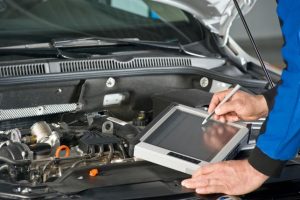
Given the intricacy of the process, it is not something that can be performed at home or by general mechanics without the right tools. Technicians trained in SCN coding use manufacturer-approved platforms and diagnostic software to communicate with factory servers. Once access is granted, the correct coding string is generated and programmed into the module, locking it to the vehicle. This secure process helps prevent tampering, fraud, or the installation of unauthorised modules.
While SCN coding is often associated with vehicle repairs, it also plays a crucial role in vehicle upgrades. Owners who choose to retrofit new features such as reversing cameras, parking sensors, upgraded infotainment systems, or adaptive cruise control often require coding to activate the new functions. These upgrades may be physically installed, but without the corresponding software changes, the vehicle may not recognise or enable the added features.
Another scenario where SCN coding is necessary is during emissions system repairs. In some diesel vehicles, for example, after the diesel particulate filter (DPF) or exhaust gas recirculation (EGR) valve is replaced, the vehicle needs updated coding to calibrate its emissions management system. Without this step, the engine may revert to limp mode or display emissions-related warning lights.
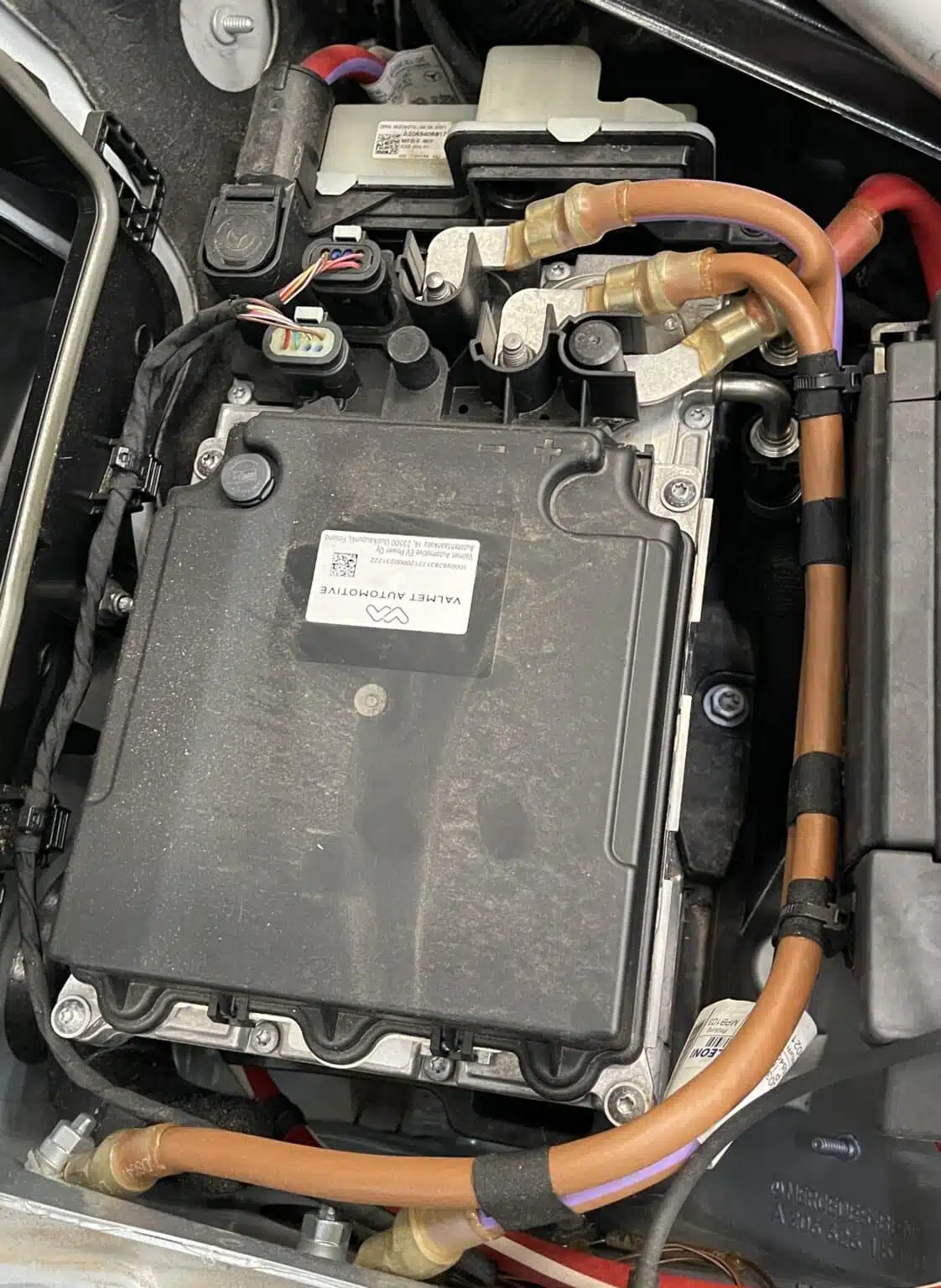
For hybrid and electric vehicles, SCN coding becomes even more critical. These vehicles rely heavily on software to balance power delivery, battery health, regenerative braking, and system temperatures. Any fault or component replacement especially in the battery control module or inverter demands recoding to reintegrate the system safely. As electrified models become more common, the need for qualified technicians who can perform secure coding will continue to rise.
There are also legal and safety implications involved in the SCN coding process. Because coding aligns the vehicle to regional laws (such as speed limitations, lighting standards, and emissions compliance), incorrect or missing coding can result in a vehicle being non-compliant with road regulations. This may lead to MOT failures or even insurance complications. For instance, if a safety feature such as ESP (Electronic Stability Program) is not correctly coded after a repair, it may be considered inactive or compromised, impacting insurance coverage in case of an accident.
It’s also worth noting that SCN coding contributes to digital service records. When a vehicle is coded using manufacturer-authorised tools, the action is often logged with the brand’s central server. This means that a properly coded update becomes part of the vehicle’s digital history, which can be beneficial for future diagnostics or resale. Buyers today look for transparency, and a complete software service history offers reassurance of proper care and maintenance.
While SCN coding may sound highly technical, its benefits are straightforward. It ensures optimal performance, maintains safety standards, enhances compatibility between modules, and supports legal compliance. It also helps technicians avoid time-consuming and costly trial-and-error diagnostics. Without it, even new parts may operate erratically or conflict with existing systems, leading to frustrated drivers and unnecessary workshop visits.
The precision of the process also protects against counterfeit components. Because SCN coding ties the module to the vehicle via VIN verification, unauthorised or non-genuine parts often cannot be coded successfully. This system helps maintain the integrity of vehicle repairs and ensures that only approved modules are used. For vehicle owners, this is an important safeguard against poor-quality repairs or tampered electronics.
Given the complex nature of modern cars, it is no longer enough to rely solely on mechanical skill. Repairing or upgrading any electronic system now demands an understanding of software interaction and digital protocols. This is where SCN coding becomes a bridge between hardware and software ensuring everything operates in sync and according to factory standards.
In high-performance and executive cars, such as those made by German manufacturers, SCN coding also plays a role in driving dynamics. It influences how the transmission shifts, how the throttle responds, and how the suspension behaves in different drive modes. Improper coding can result in reduced performance or poor responsiveness, undermining the vehicle’s design and the driver’s experience.
Fleet vehicles and company cars are another category where SCN coding is often required. These vehicles are managed closely for safety, emissions, and efficiency. If one vehicle in a fleet receives a software update or module replacement, it must be properly coded to meet the standard set across all units. Failing to do so may result in inconsistent performance or failure to meet the company’s compliance policies.
The future of SCN coding will likely involve even more remote functions. As vehicles become connected to the cloud, some software changes may be delivered over the air (OTA). However, many critical functions will still require secure, workshop-level access for coding. This ensures that sensitive systems like airbags, steering, and braking remain protected from external interference or accidental overwrites.
Drivers may not always be aware that SCN coding is the reason behind persistent faults after a repair. Warning lights that return, malfunctioning dashboard displays, or systems not responding as expected are often due to skipped or incorrect coding steps. That’s why it is important for vehicle owners to choose repair centres that offer specialised coding services and have access to the correct platforms.
In conclusion, SCN Coding Hertfordshire is not just another diagnostic step it is a vital component in the maintenance, repair, and upgrading of modern vehicles. It ensures that every digital system in the car communicates correctly and functions in harmony with the manufacturer’s design. As cars continue to evolve into software-driven machines, services like this will remain essential in keeping vehicles running smoothly, safely, and legally on the road.